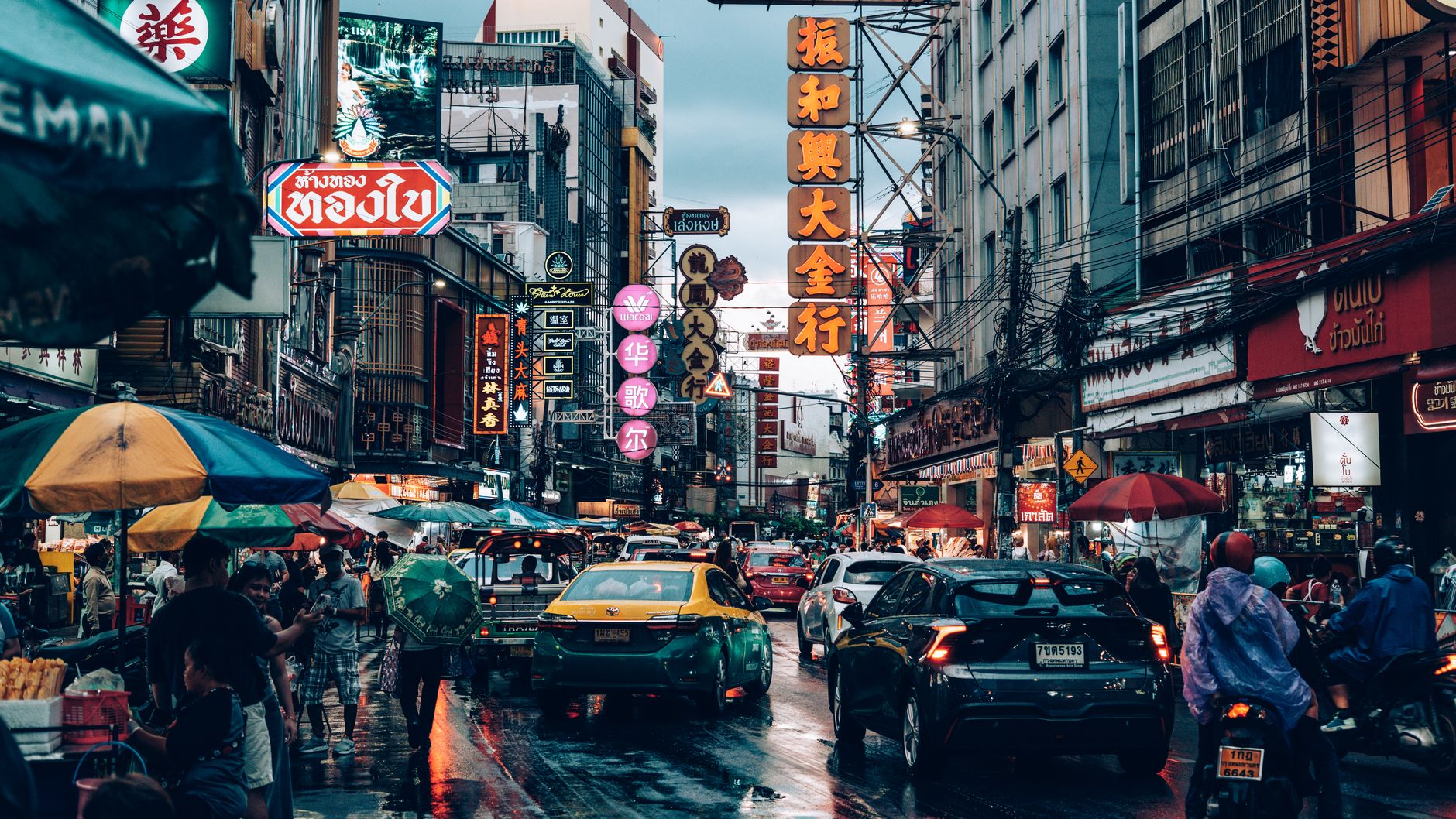
The moat that rings Chiang Mai’s Old City is one of the most useful navigation tools in Southeast Asia - and also, accidentally, a boundary that keeps a lot of visitors eating mediocre pad thai within a very small square kilometre.
The temples inside the walls are worth every hour you spend with them. Wat Chedi Luang, Wat Phra Singh - these are not overhyped. But the restaurants that cluster around them have, over the years, calibrated themselves almost entirely to tourists who won’t be back. The menus are long, the prices are in euros as well as baht, and the khao soi, the dish Chiang Mai is arguably most famous for, is often a pale version of itself.
Cross the Moat
Nimman - formally Nimmanhaemin Road - gets written off as a hipster district for expats and digital nomads, and that’s not entirely wrong. But between the co-working cafés and the flat white shops, there are northern Thai restaurants that have been operating for decades. Huen Phen, on Ratchamanka Road, sits just inside the Old City walls and is a genuine exception to most of what I’ve said - their northern Thai set menu at lunch is one of the more honest meals you’ll eat in the city. But the places worth seeking out are mostly further west and south.
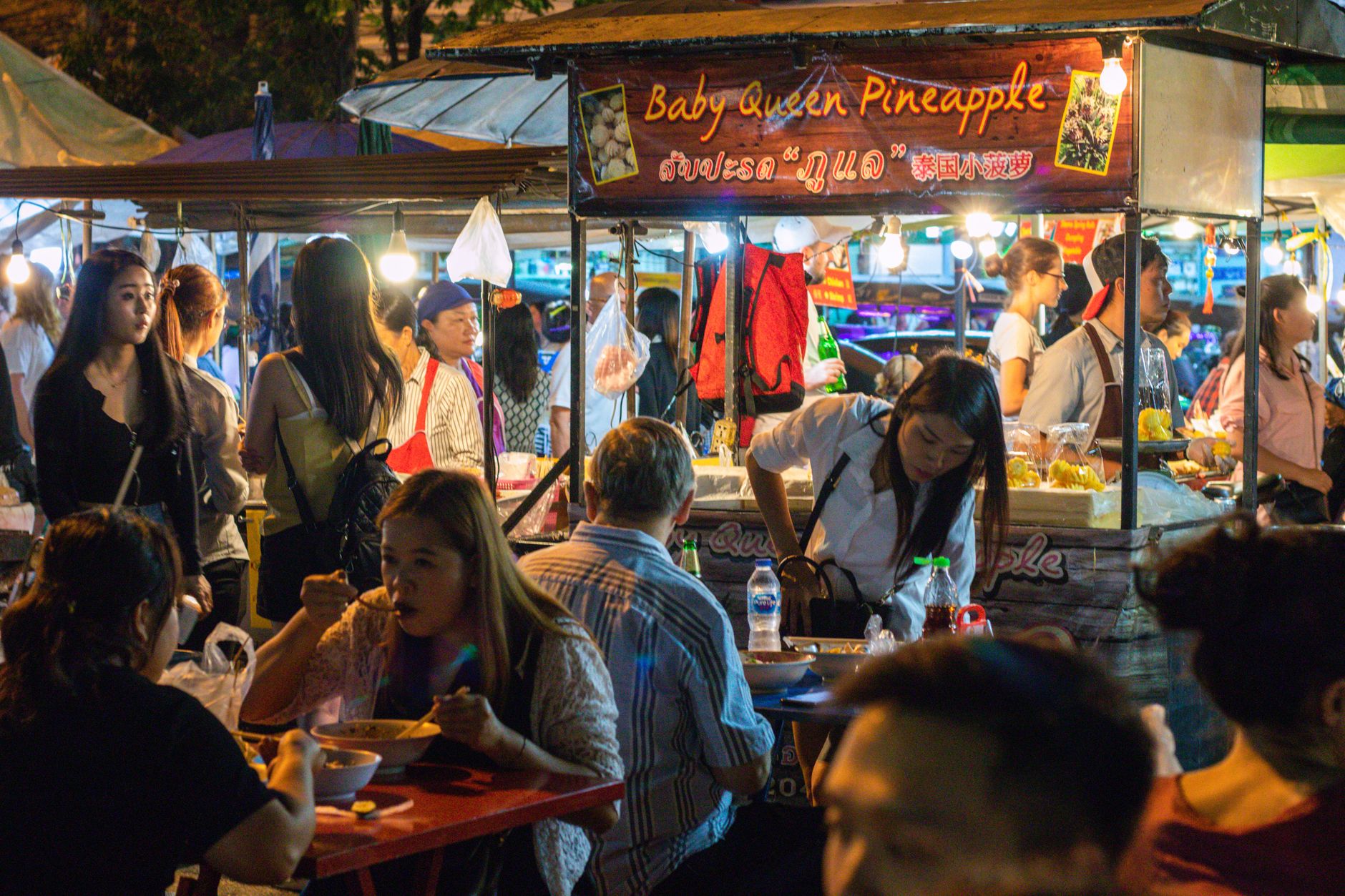
The Santitham neighbourhood, north of Nimman, is where a lot of Chiang Mai locals actually live and eat. The market on Chotana Road in the early morning - before 8am - operates almost entirely without English signage. That’s not a badge of honour in itself, but it does reflect who the food is made for.
The Khao Soi Problem
Khao soi deserves a specific word. The dish - a coconut-curry broth with egg noodles, crispy noodles on top, and usually chicken or beef - varies enormously across the city, and the versions served inside the Old City walls tend to be sweeter and milder than what you’d find elsewhere. Khao Soi Khun Yai, out on the Hang Dong road south of the city, is frequently cited by people who live in Chiang Mai as the standard. It requires either a songthaew negotiation or a Grab booking, and it is absolutely worth both.
On Timing
Chiang Mai’s heat between March and May is serious. Most of the outdoor markets and street stalls function best in the cooler months - November through February - when eating outside past dark is actually pleasant rather than something you endure.
The city rewards people who leave the Old City for meals. Whether they do is mostly a question of how much the temples have tired them out by evening - which, honestly, is a reasonable excuse.