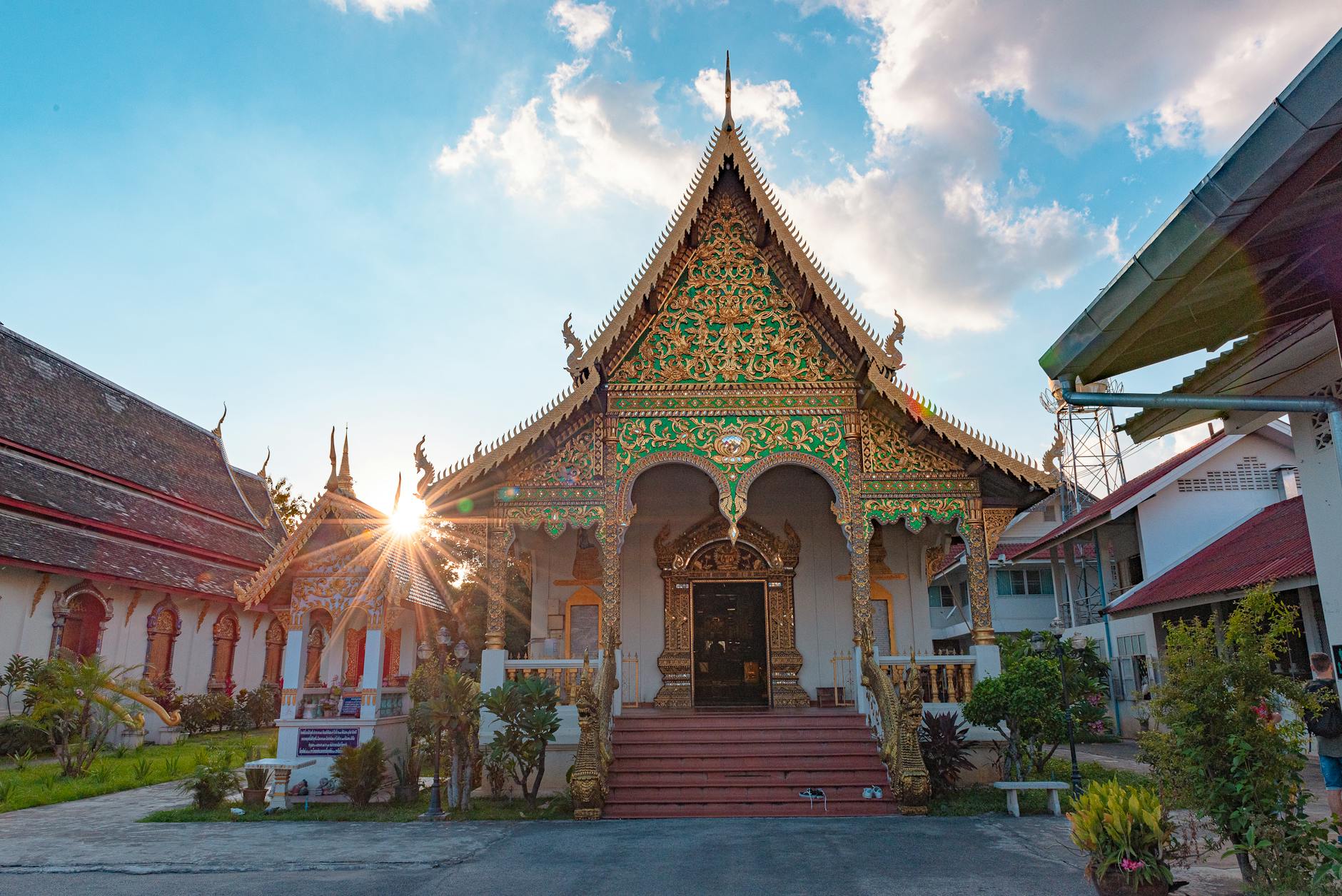
The square moat around Chiang Mai’s Old City is one of the most useful pieces of urban infrastructure for any traveller trying to understand where not to stay. Everything inside it - the guesthouses stacked around Tha Phae Gate, the tuk-tuks orbiting Wat Chedi Luang, the rooftop bars aimed squarely at first-timers - is oriented almost entirely toward tourists. That’s not inherently bad. But it does mean you pay more, sleep lighter, and spend most of your time in a version of the city that has been arranged for your convenience rather than its own.
The neighbourhoods immediately outside the moat run on a different logic entirely.
Nimmanhaemin Has Already Peaked, But Nimman Soi 17 Hasn’t
Nimmanhaemin Road gets written about as if it’s still an emerging creative district. It isn’t - the large-format concept stores and co-working cafés have been there long enough to feel permanent. But the sois (side streets) branching off it, particularly around Soi 17 and further north toward Huay Kaew Road, still have the density of independent coffee roasters, noodle shops with no English menus, and family-run pharmacies that makes Nimman worth the walk. The main road is a throughline, not the destination.
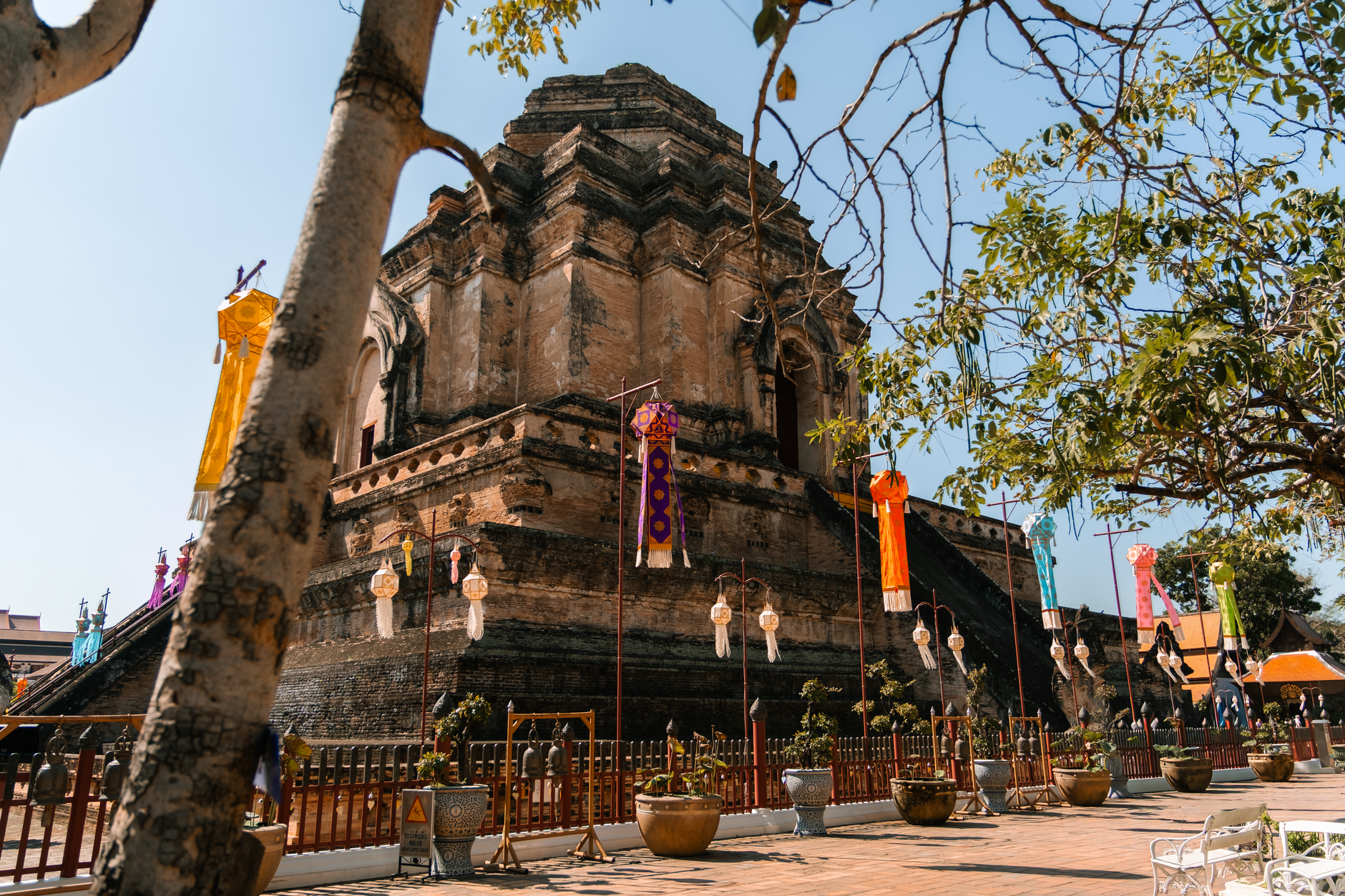
The Superhighway Side of the Moat Gets Overlooked
The eastern edge of the Old City, across the moat toward the Superhighway, is where a lot of long-term residents actually live. Guesthouses here are quieter and noticeably cheaper than their equivalents inside the walls. The trade-off is that you’re further from the temple circuit - but in Chiang Mai, that usually means a ten-minute bicycle ride rather than anything that requires planning.
This matters most if you’re staying more than three days. Chiang Mai rewards slower visits, and the Old City’s tight grid and concentration of markets starts to feel small faster than most people expect.
Sunday Walking Street Is Worth Exactly One Visit
Walking Street on Wualai Road, south of the Old City, runs every Sunday evening and draws both tourists and locals buying ceramics, silverwork, and street food. Once is genuinely worth it. Twice starts to feel like homework. The more interesting pattern, if you’re staying nearby, is the daytime Wualai silversmith workshops - several still operate along that stretch and don’t require a special evening to see.
Chiang Mai is not a complicated city to navigate. The moat is a visible, literal line, and where you land relative to it shapes almost everything about how the place feels after the first 48 hours.