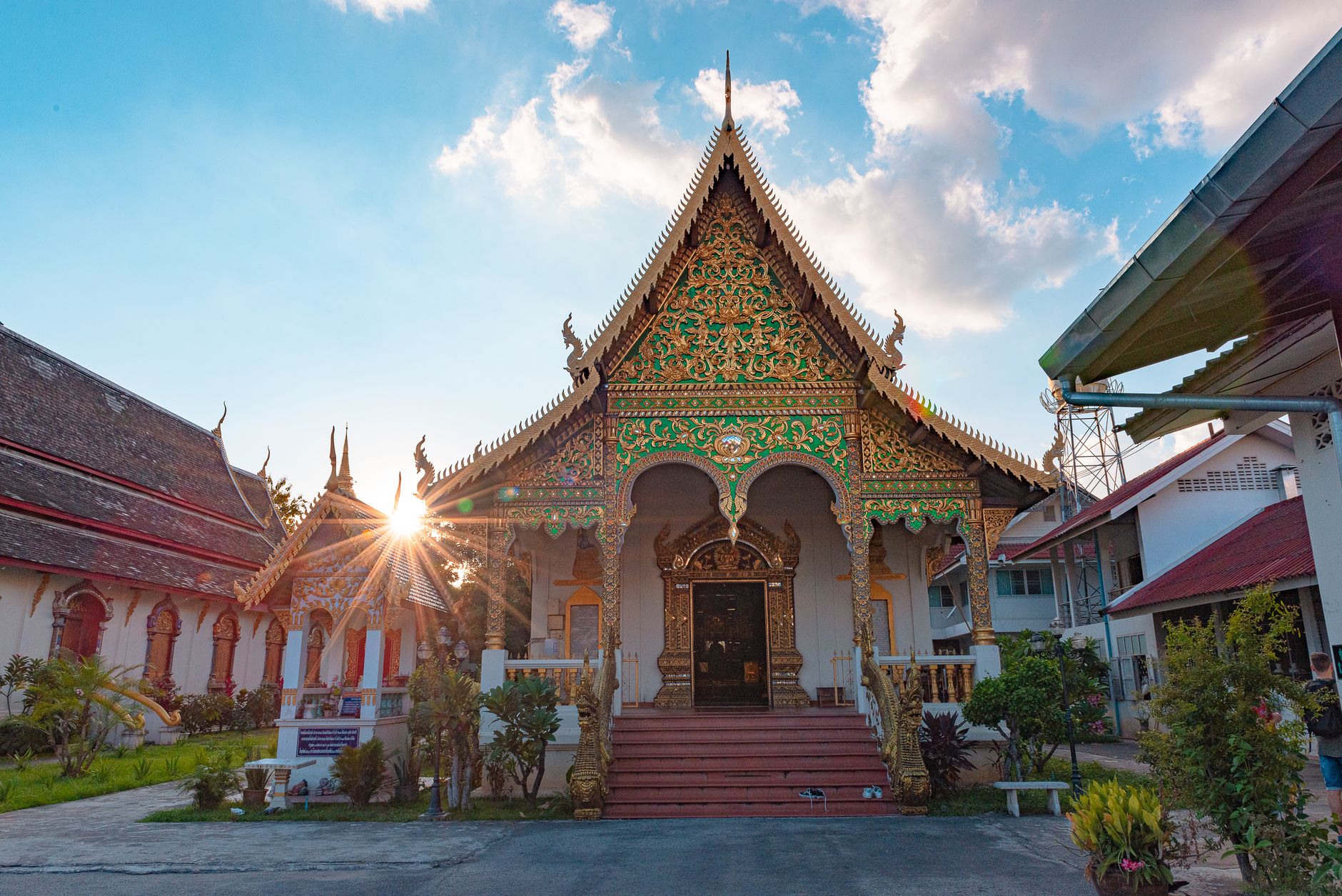
Every few years, someone declares Chiang Mai ruined. Too many digital nomads, then too many Instagram photographers, then too many wellness retreats. The complaints follow a predictable rhythm, and they’ve been continuous since at least 2012. The city keeps filling up anyway.
What’s actually happened is that Chiang Mai has split into distinct layers that barely interact. The old city moat area runs on tourist time - songthaews, smoothie bowls, cooking classes that start at 9am. Nimman, which used to feel like a local alternative, is now essentially a mall district with good coffee. But Santitham, the residential neighbourhood just north of the moat, and the streets around Warorot Market on the east side operate on a completely different schedule and don’t particularly notice visitors.
The food argument for Chiang Mai remains solid. Khao soi at Khao Soi Khun Yai on Charoen Rat Road costs under 60 baht and tastes exactly as it should - rich, slightly sour coconut curry broth, egg noodles, pickled mustard greens on the side. Sai oua, the herky northern sausage packed with lemongrass and kaffir lime leaf, is better bought from a fresh market stall near Warorot than from any restaurant that plates it with dipping sauce and a garnish. These things haven’t changed.
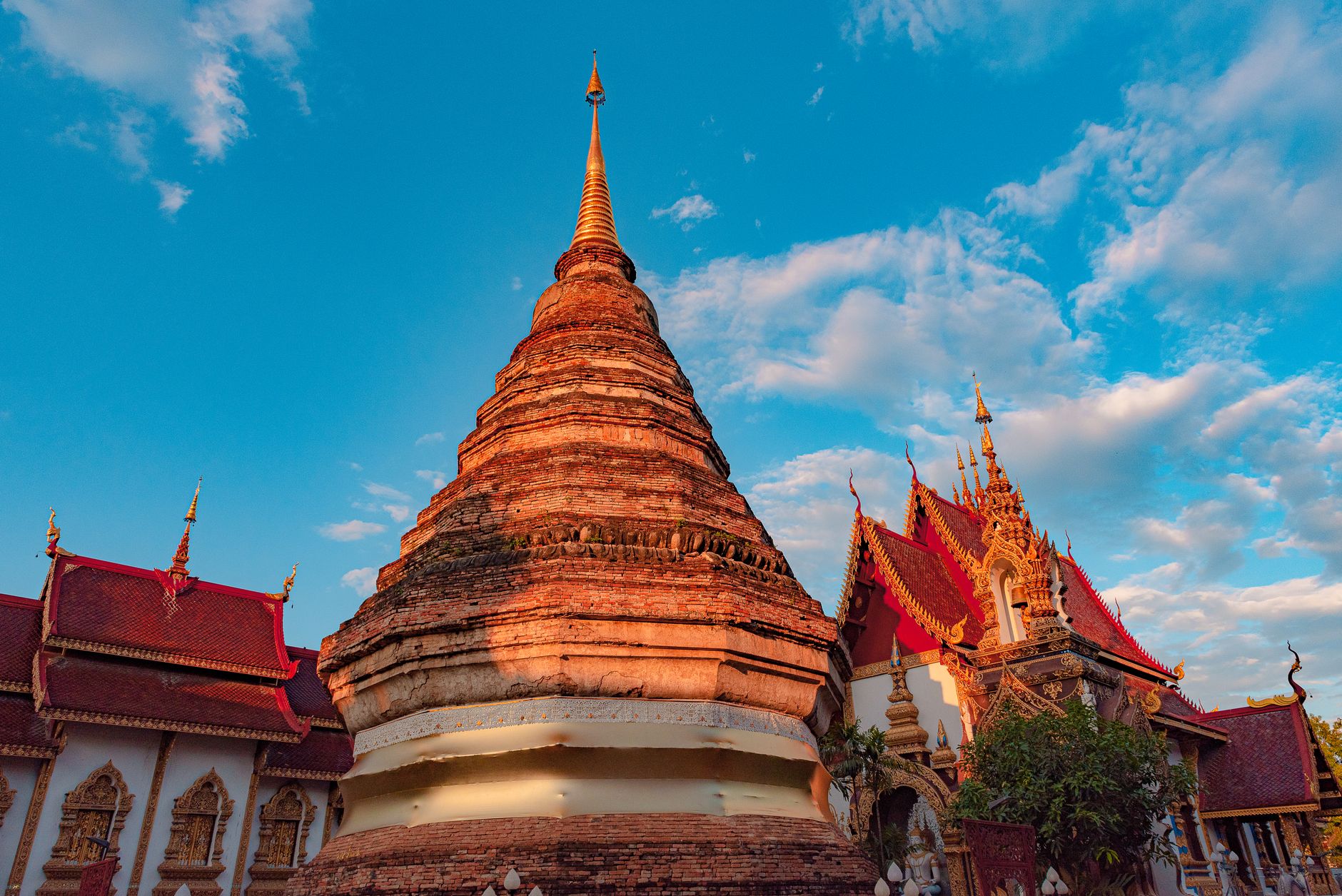
The Doi Suthep Problem
The temple at the top of Doi Suthep is legitimately beautiful and legitimately crowded by 9am every day. Going at 6am is the actual answer, not a clever hack - the songthaews run early, the mist is still in the valley, and the monks have finished morning alms. By 6:45 you’re mostly alone with the nagas on the staircase.
What’s harder to solve is accommodation. Mid-range guesthouses inside the old city have been absorbed into boutique hotel branding, and the price points have followed. A guesthouse charging 800 baht a night in 2018 now charges 1,800 with a pool and a ‘heritage’ rebrand. Staying in Nimman or along the Ping River gives better value and puts you closer to how residents actually use the city.
Chiang Mai in June - which is technically the rainy season - is greener, cheaper, and emptier than December. The rain usually comes in the late afternoon and clears by evening. The markets run regardless. It’s not a secret worth keeping, just a fact that doesn’t photograph as well as lantern festival season.