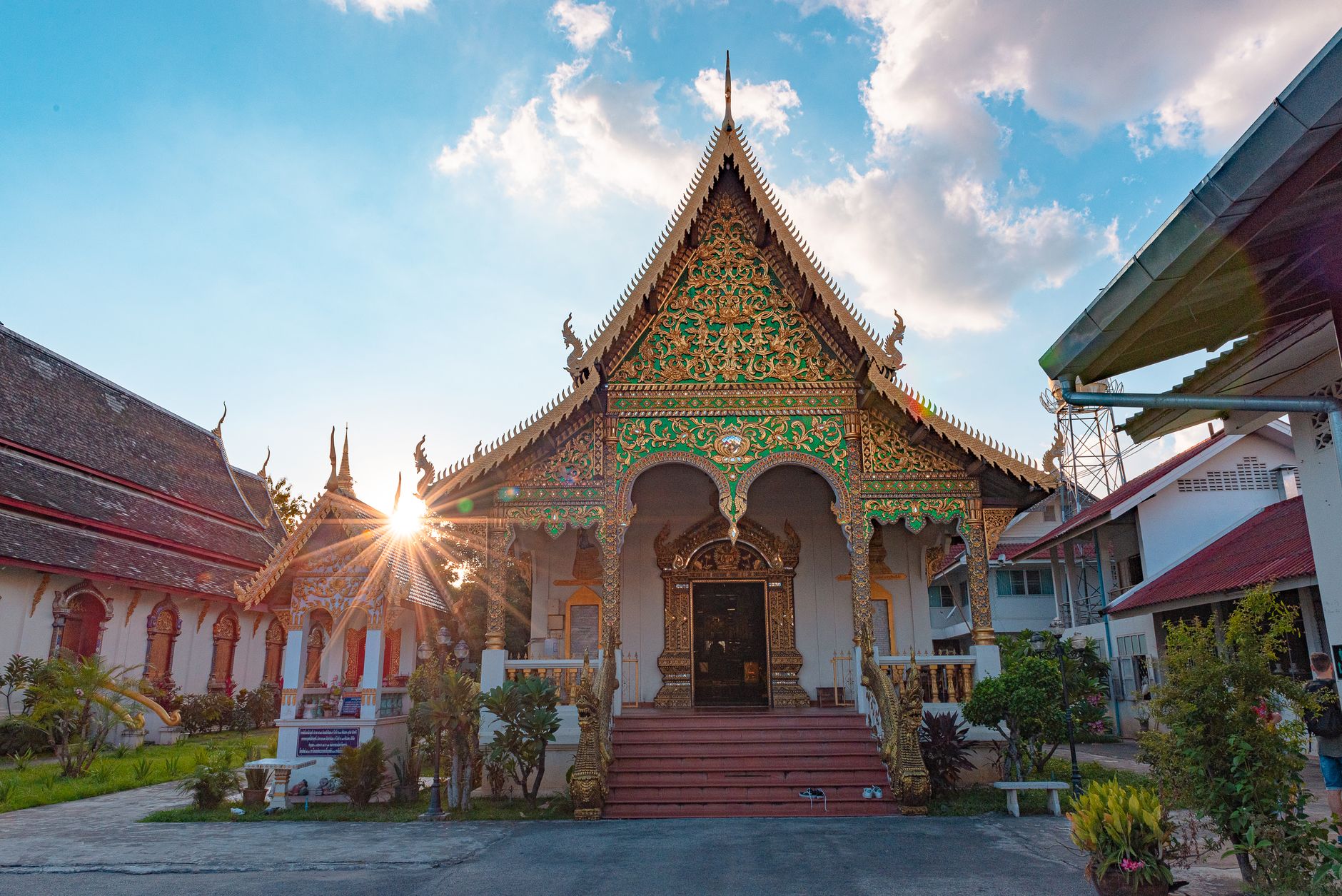
Chiang Mai peaked as a nomad destination somewhere around 2017, and the years since have been a slow correction. The hostels that ran on hype have closed or converted. The coworking spaces that survived are better - quieter, better-ventilated, less performatively aesthetic. The city that remains is more comfortable to actually live in than it ever was during its heyday.
The old city moat still anchors everything. Within it, Wat Phra Singh and Wat Chedi Luang still draw visitors before 8am, which is the only time worth going - not because of crowds, but because the light is different and monks actually move through the spaces. After 10am, both temples belong to tour groups with audio guides.
What the Nimman Area Got Right
Nimmanhaeminda Road was the epicentre of the nomad scene, and it’s still commercially dense, but the composition has shifted. The smoothie bowl cafés have given way to a more stable mix of local restaurants, independent bookshops, and coffee roasters that have been operating long enough to stop trying so hard. Ristr8to on Nimman Soi 3 has been consistently good for over a decade - the espresso is calibrated to a degree that most Bangkok cafés don’t bother with.
The area around Maya Mall is still noisy and not worth your evenings. Walk south toward Suthep Road instead.
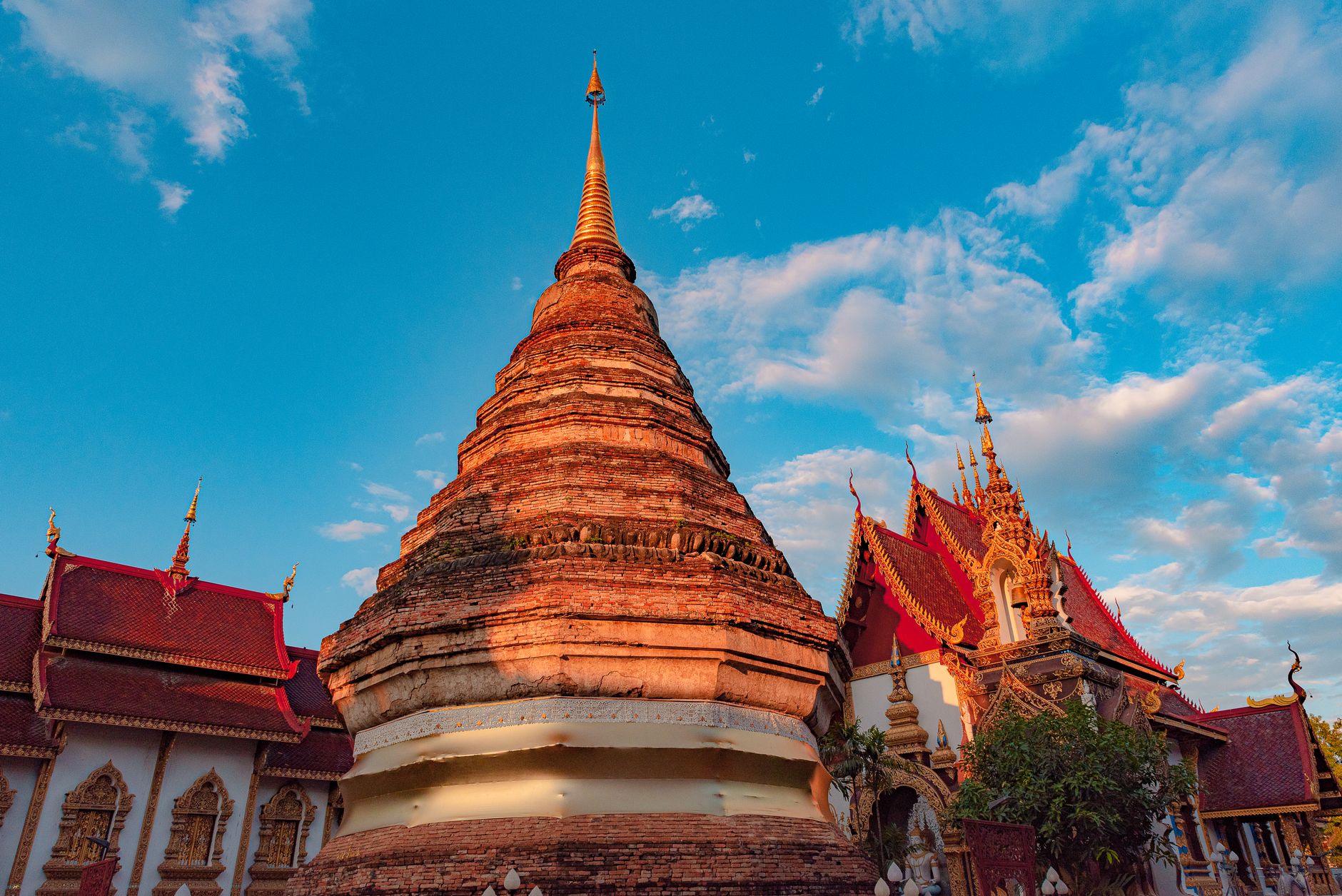
The Case for Staying North of the City
Mae Rim district, about 20 minutes by motorbike from the old city, is where the geography starts making sense. The valley opens up, the temperature drops a degree or two, and the road toward Mae Sa is lined with working farms and plant nurseries rather than guesthouses. There’s no particular landmark to justify the trip - it’s more that spending a morning out there recalibrates your sense of where you are, which is useful after a few days of temples and street food.
Renting a motorbike from one of the shops near Tha Phae Gate still costs around 200–250 THB per day for a manual scooter, though rates fluctuate. An international driving permit is technically required; enforcement is inconsistent, but the risk of being stopped without one near tourist-heavy areas is real.
The Food Hasn’t Changed
Khao soi remains the most honest argument for visiting. The version at Khao Soi Mae Sai on Charoenrat Road - a small shophouse on the east side of the river - is the one that locals actually reference. The broth runs deeper and less sweet than the versions calibrated for foreign palates around Nimman. It’s open for lunch only and closes when the pot runs out, which is usually before 1pm.