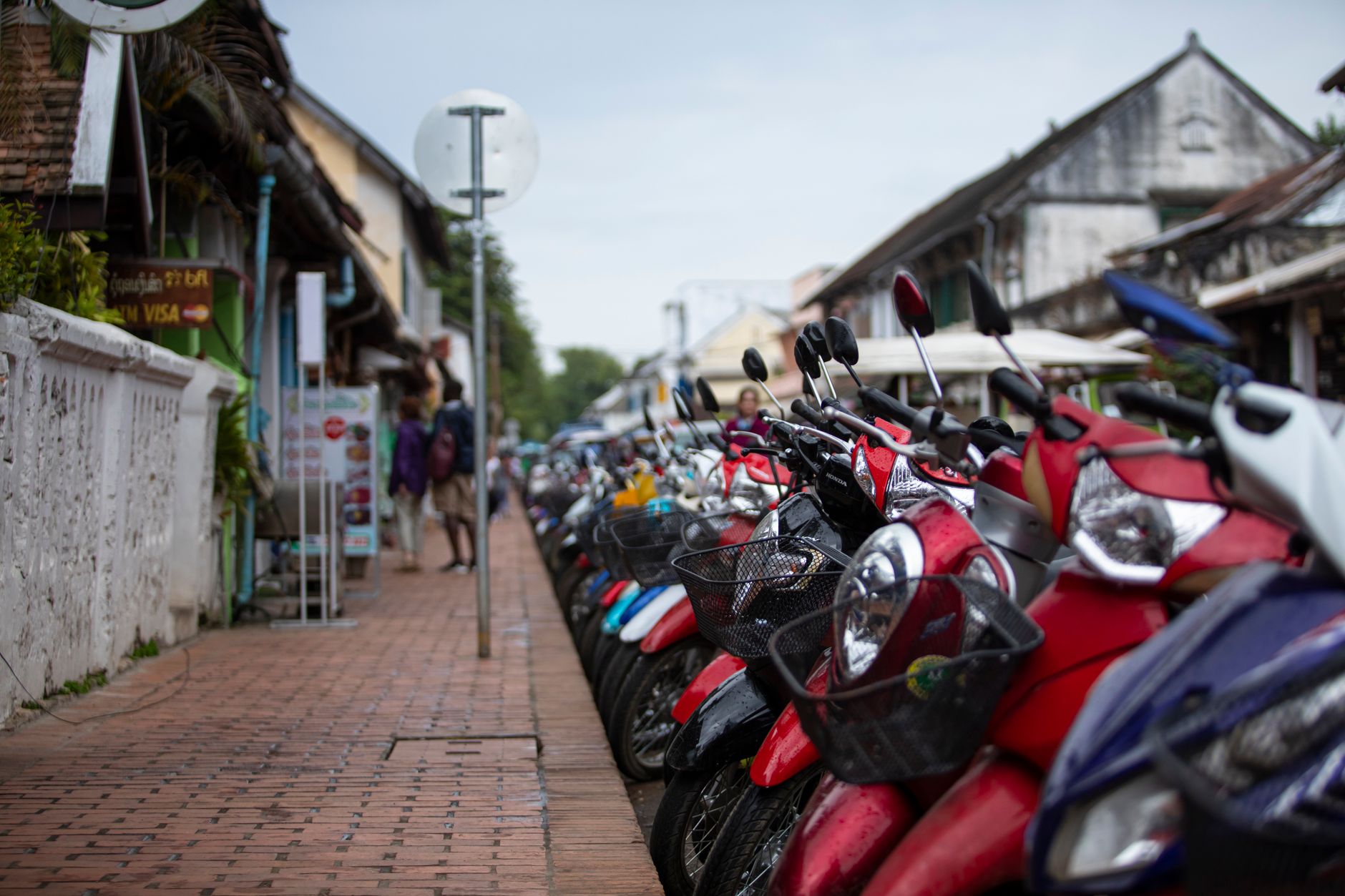
Most people give Chiang Mai three days. They do Doi Suthep, they rent a scooter to a tiger sanctuary (don’t), they eat khao soi once at a restaurant someone recommended in 2019, and they leave. That rhythm treats the city like a theme park with a checkout time.
Chiang Mai is better understood as a genuinely liveable northern Thai city that happens to have good infrastructure for visitors - not the other way around. The old city moat square is the tourist centre, yes, but it’s a ten-minute ride from neighbourhoods where the pace and the food are completely different.
The Nimman Side of Things
Nimman - short for Nimmanhaemin Road - gets dismissed as the digital nomad district, which is partially true and mostly unfair. The coffee shops are real and relentless, but the streets east of the main road, closer to the canal, have a residential density that makes wandering actually interesting. Small noodle shops operate out of front rooms. There are wet markets that aren’t staged for cameras. The Maya Mall anchors the western end and is useful if you need anything practical: a sim card, a pharmacy, shoes.
The Saturday Walking Street on Wualai Road runs through a silversmith district that predates tourism in the area. The craft here - Lanna silverwork - has a documented history tied to the region’s pre-Bangkok identity. It’s not performed artisanal production; it’s industry that happens to be visible.
What Khao Soi Actually Is
Khao soi is a coconut curry noodle soup with both boiled and crispy egg noodles, served with pickled mustard greens and shallots on the side. It’s Northern Thai and Shan in origin, not pan-Thai. Ordering it elsewhere in Thailand will get you something blander. In Chiang Mai, the variance between versions is worth chasing - the ratio of curry paste to coconut milk, the type of protein, the oil level - these differ meaningfully between shops. Khao Soi Khun Yai on Charoen Rat Road is frequently cited by locals as a reference version.
One Practical Note
Songthaews - the red shared pickup trucks - are the actual local transit. The quoted price to tourists is negotiable but not dramatically so. Knowing the approximate fare in advance (ask your accommodation) removes the main friction. They don’t run on a fixed route the way they might appear to; you tell the driver where you’re going before you get in.
Chiang Mai has the shape of a city that’s been half-explained to visitors for decades. The other half is just there, on streets that don’t appear on the walking tour map.