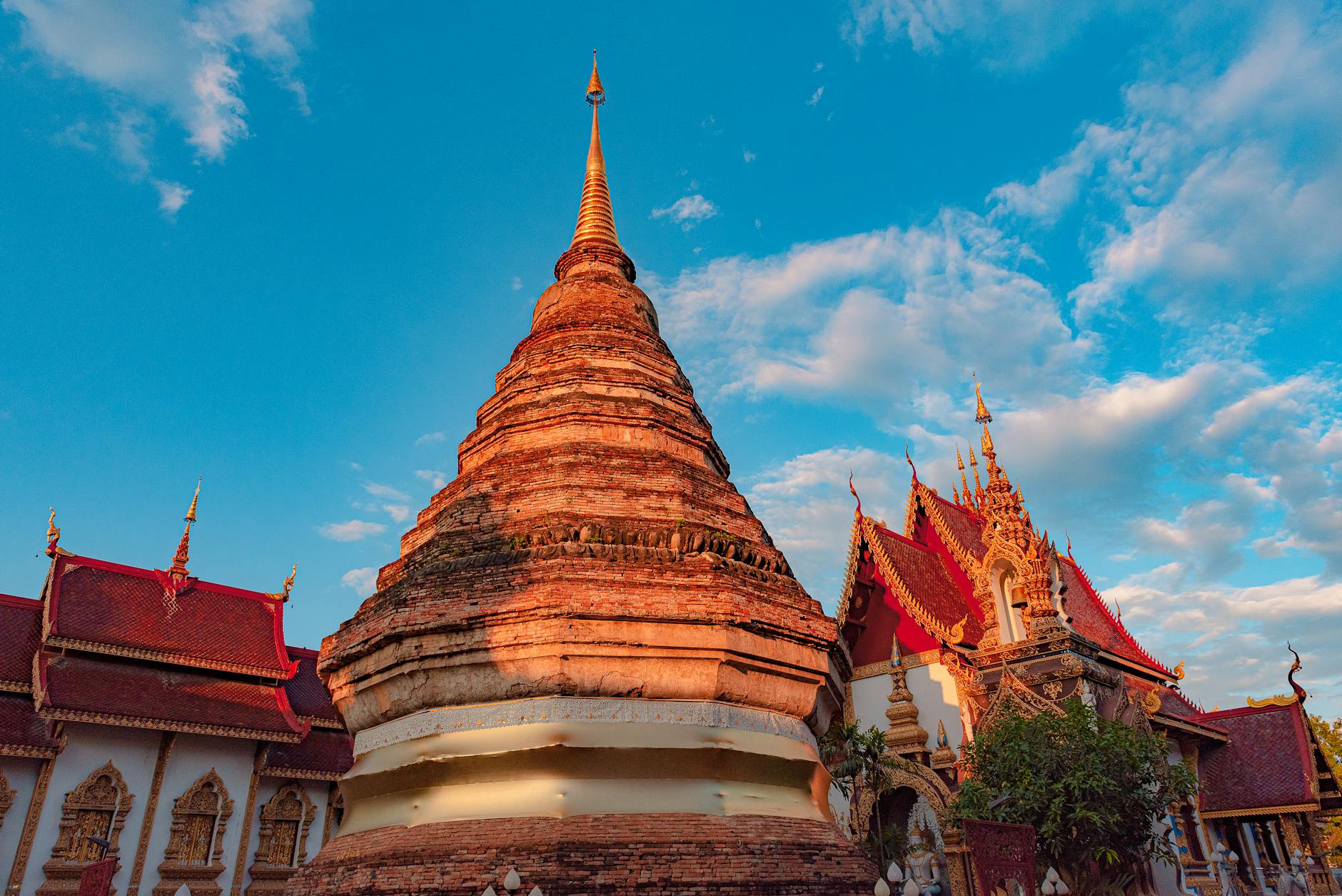
Everyone warns you off Chiang Mai from June to October. The travel forums call it the wet season like it’s a verdict - too much rain, too much smoke cleared only to be replaced by humidity, too many tourists abandoning their plans. What they don’t tell you is that the city becomes more itself without the high-season crowds, and that the rain, when it actually arrives, usually does so in the late afternoon and leaves within two hours.
The mornings are often clear. Clear enough to rent a bicycle and ride the moat road before 8am without competing with songthaews and package-tour vans. The light through the mountains surrounding the city sits lower and softer than in the dry months, and the rice paddies just outside the old city - especially heading north toward Mae Rim - are an almost aggressive shade of green by July.
What Actually Gets Disrupted
Trekking to higher elevations can become genuinely difficult after sustained rainfall, and some trails toward Doi Inthanon close intermittently. That’s real. If a multi-day jungle trek is the reason you’re coming to Chiang Mai, the rainy season is probably not when to come.
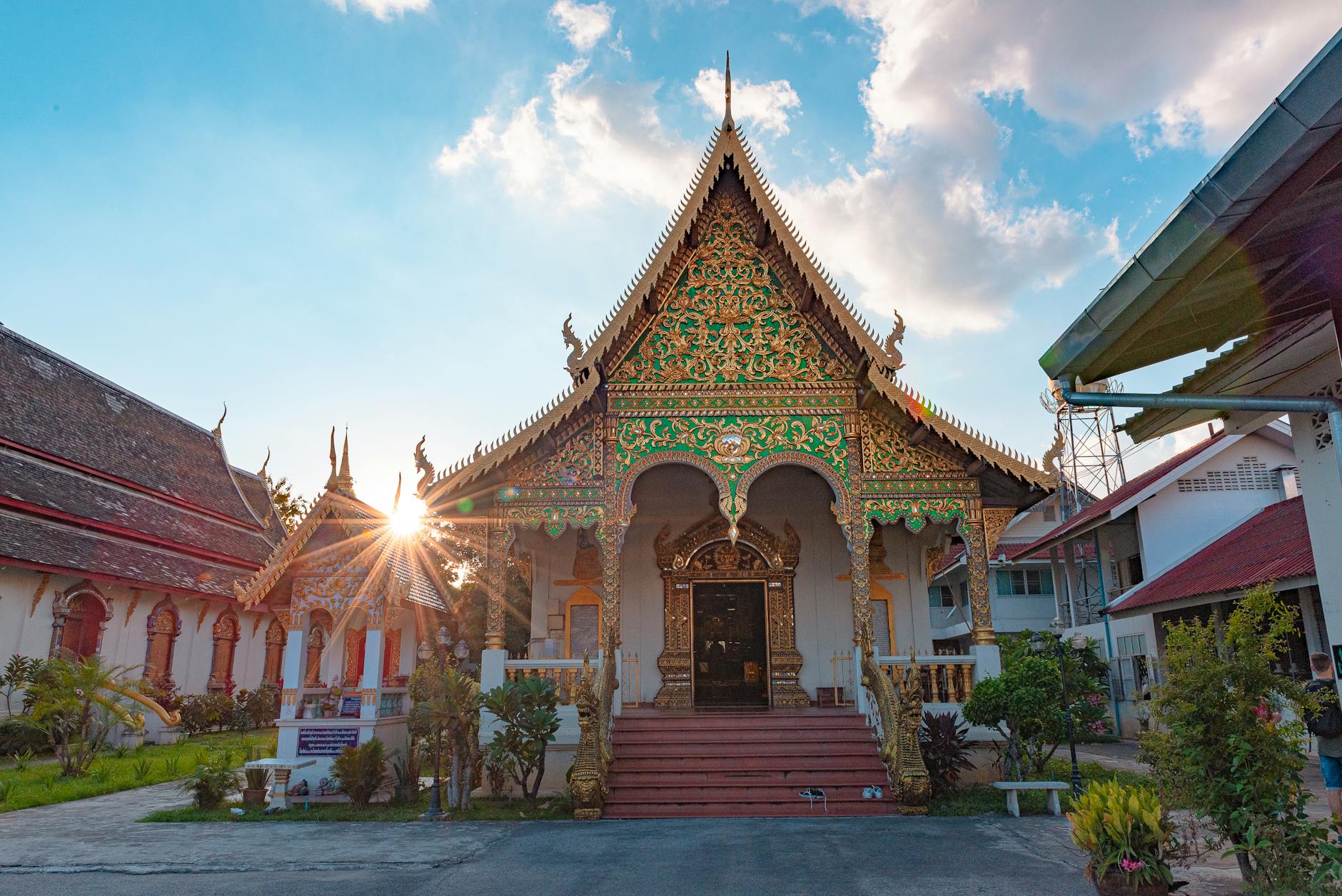
But for everything else the city offers - the cooking schools, the Saturday and Sunday walking markets, the old city temples, the coffee shops in Nimman that could sustain a person for weeks - the rain changes almost nothing except the price of accommodation, which drops noticeably.
The Temples Are Actually Better Wet
Wat Chedi Luang in the rain, with the courtyards empty and the stone darkened by water, looks nothing like its own Instagram results. The same is true of Wat Suan Dok, which most visitors walk past on the way to somewhere else. Neither temple requires context or preparation - you just need to show up, and showing up is easier when you’re not jostling for space.
The Sunday Walking Market on Wualai Road runs regardless of weather. Vendors set up rain shelters; the food stalls don’t close. Khao soi from a plastic stool while rain hammers the tarp above you is one of those meals that doesn’t need romanticising.
Chiang Mai in low season isn’t a compromise version of the destination. It’s a different read of the same city - slower, cheaper, and with room to actually look at things. Whether that trade suits you depends on what you came for, and most people don’t fully work that out until they’ve already booked.