Most of the travel writing about Chiang Mai is describing November. Cool mornings, the Yi Peng lantern festival, the city at its most photogenic and most crowded. That version of Chiang Mai is real, but it’s also one of the most visited places in Southeast Asia during one of the most visited months of the year.
The rainy season - roughly May through October - clears most of that out.
What Actually Changes
The rain in Chiang Mai’s wet season doesn’t typically arrive as an all-day downpour. It tends to come in hard, fast bursts, usually in the afternoon, and then clear. Mornings are often dry and noticeably cooler than Bangkok at any time of year. The air quality, which can be brutal during the February–April burning season when smoke from agricultural fires blankets the north, is genuinely clean by June.
Doi Inthanon - Thailand’s highest peak, about 80 kilometres south of the city - becomes worth the trip in a way it isn’t when everything is dry. The waterfalls along the road to the summit, Wachirathan especially, are running at full force. The upper trails through cloud forest are cool enough to need a light layer.
Hotel rates drop significantly from peak season. Guesthouses in the Nimman area that charge well over 1,500 baht a night in December are often half that in July.
The Temples
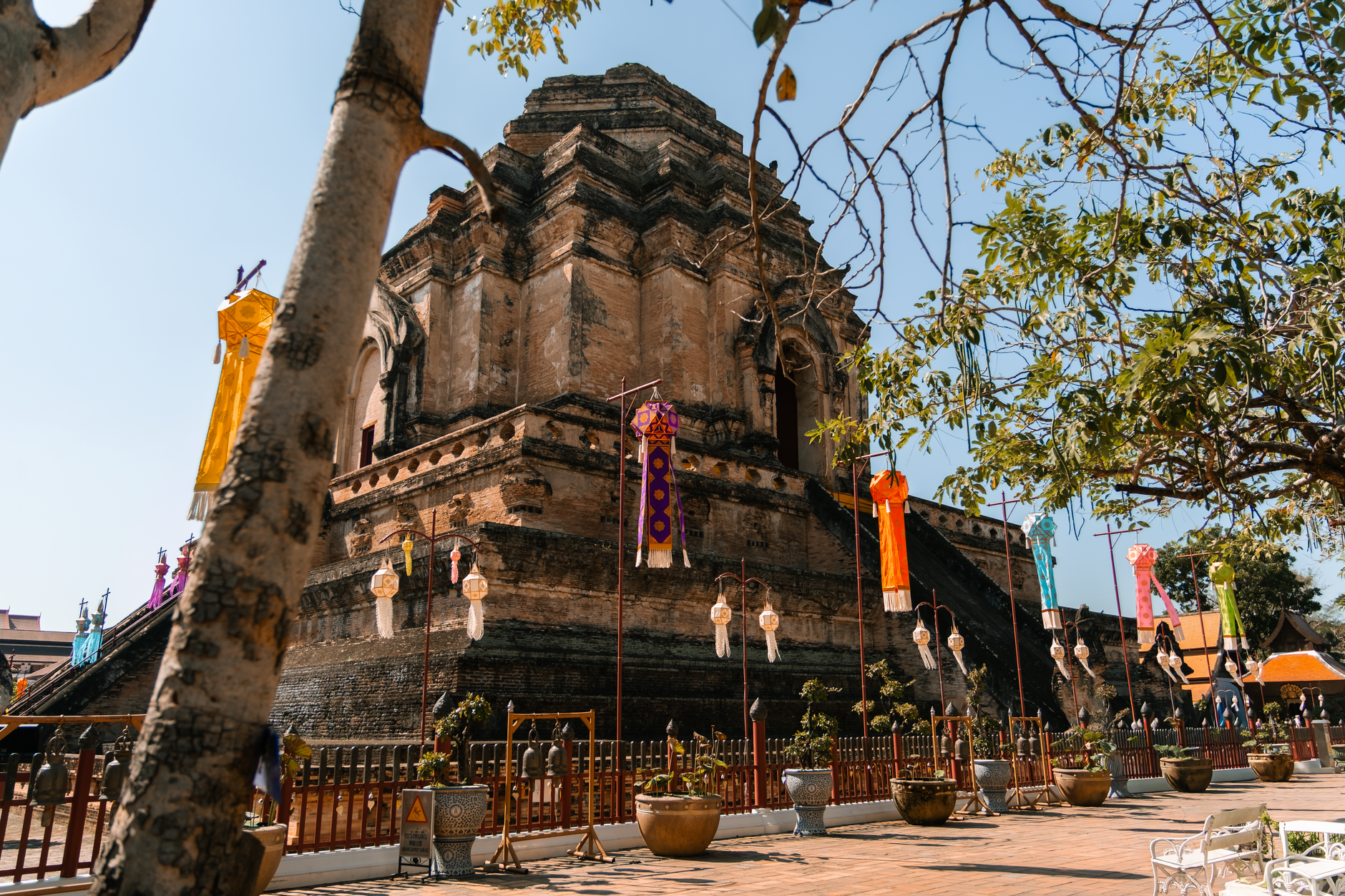
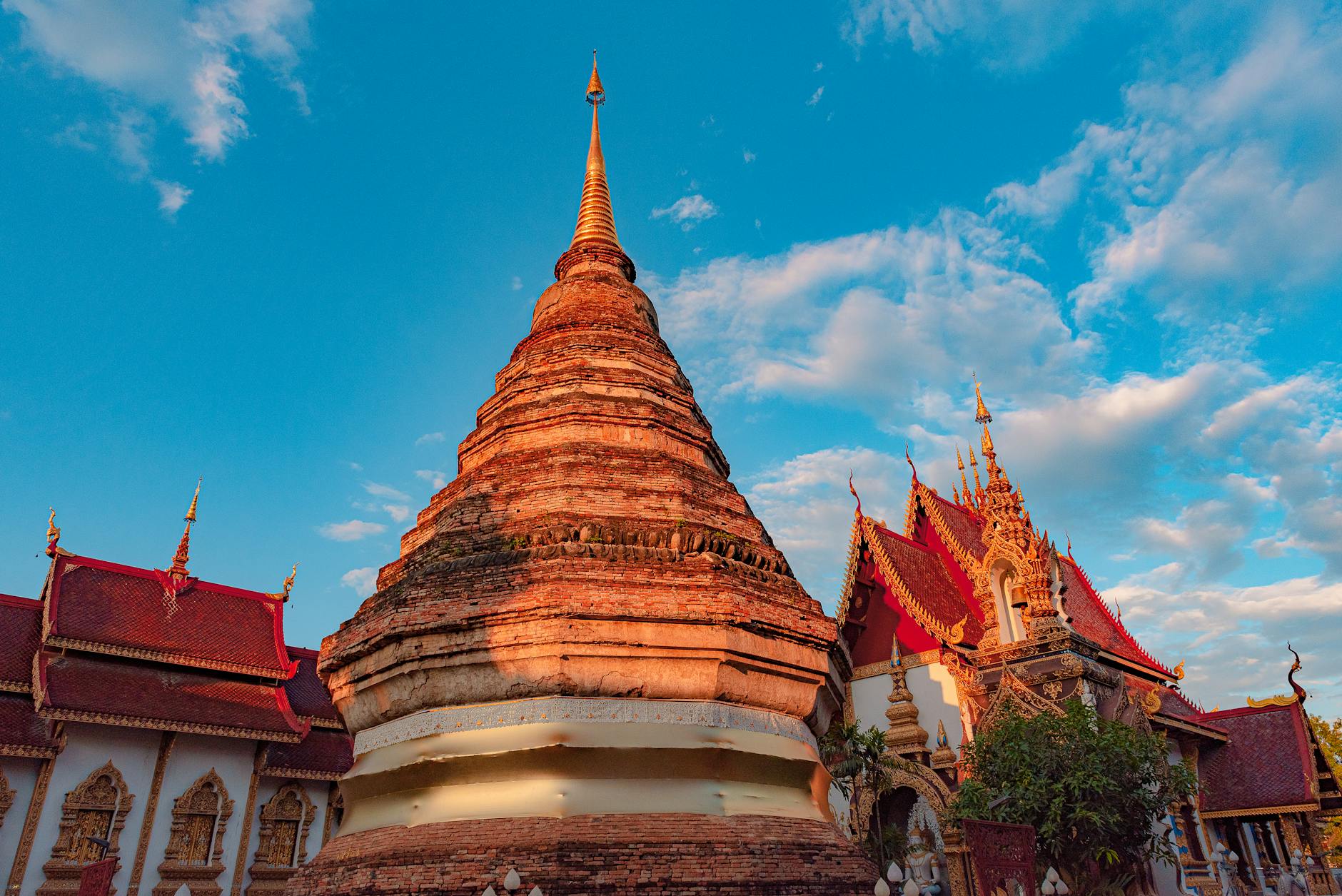
Wat Chedi Luang and Wat Phra Singh in the old city see a fraction of their winter crowds. You can sit in the viharn at Phra Singh on a weekday morning and have it nearly to yourself. That rarely happens in high season.
The moat road fills with lotus plants and turns a dull green. It’s not picturesque in any conventional sense. But the city feels more like it belongs to the people living in it.
The One Genuine Trade-off
Trekking into the hills around Mae Wang or Chiang Dao becomes muddier and, depending on the trail, less accessible. If multi-day hill walking is the reason you’re going, timing matters and you should check trail conditions with operators directly before booking.
For everything else - food, temples, day trips, cycling the old city at dusk - the rainy season asks very little of you in return for what it offers. Whether that trade is worth it probably depends on how much you dislike an afternoon shower, and most travellers find they mind it considerably less than the crowds they avoided.