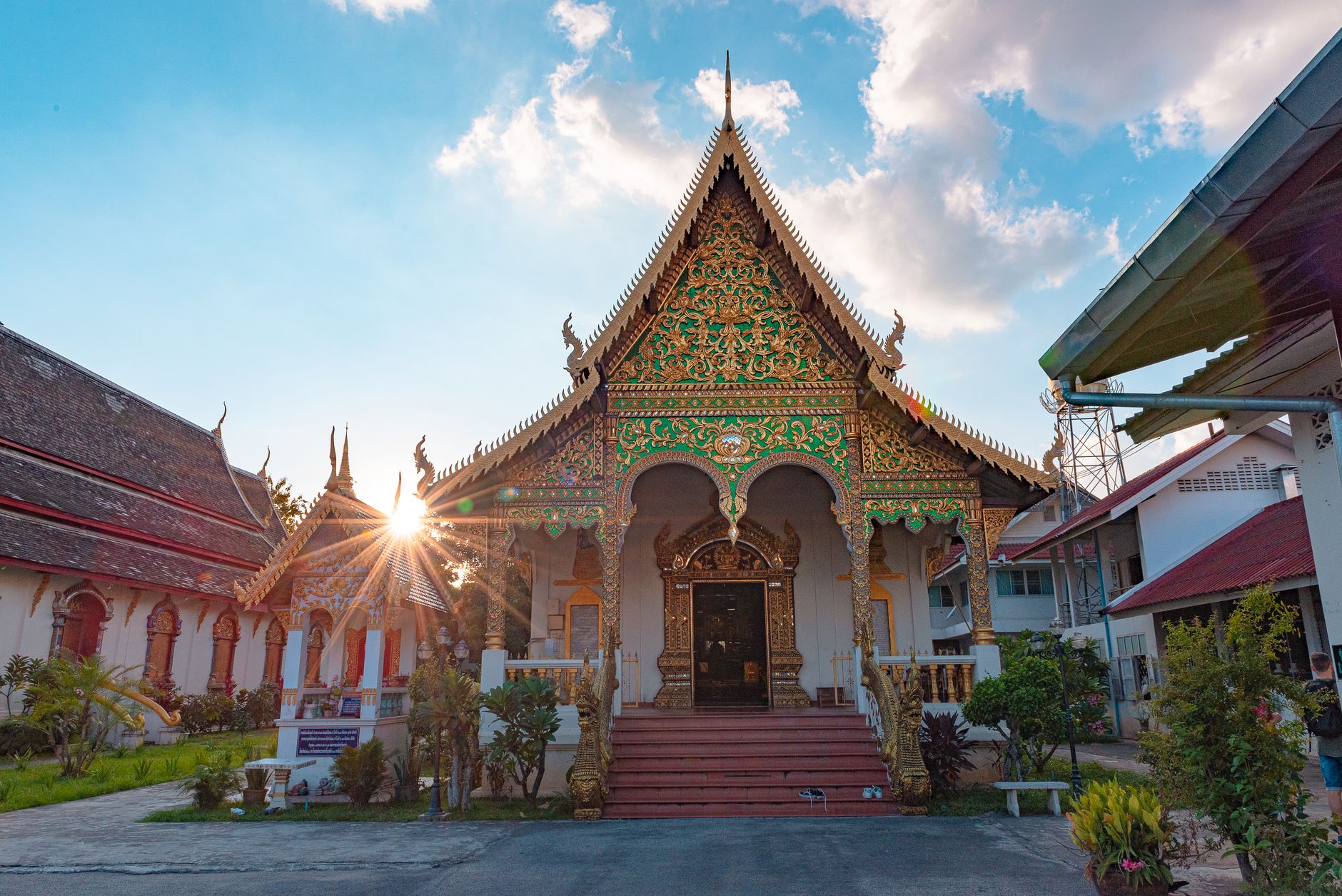
October is the tail end of rainy season in Chiang Mai, which is exactly why the guesthouses are half full and the temples are almost quiet. The tour operators will tell you the best time to visit is November through February - cool, dry, festival season. They’re not wrong. But they’re describing a different city.
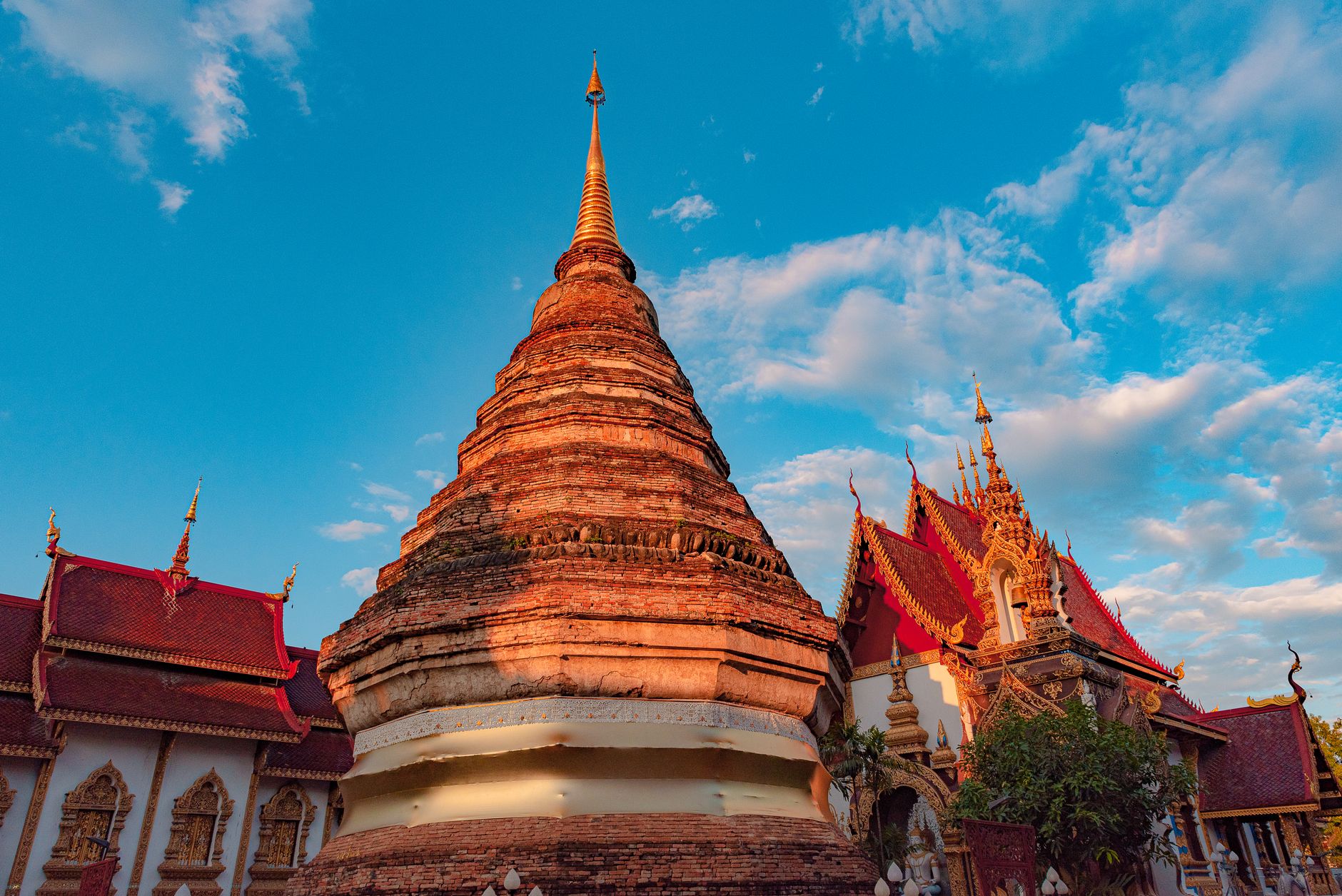
Rain in Chiang Mai doesn’t work the way it does in, say, London. It arrives in the afternoon, often hard and fast, and it’s usually done within an hour. The mornings are clear. The light after a downpour is the kind that makes the gold on Wat Chedi Luang look like it’s generating its own heat. And then the streets around the Sunday Walking Street fill up with puddles that reflect the lanterns, which nobody photographs because most visitors with cameras aren’t there yet.
The Old City Isn’t Built for Crowds
Chiang Mai’s moat-ringed old city is roughly 1.5 kilometres square. It was never designed to absorb the volume of visitors it handles during peak months, and the strain shows - in the queuing at Doi Suthep, in the tuk-tuks negotiating for fares outside the Tha Phae Gate, in the way every second shop near Nimman sells the same linen shirts. Come in October and those pressures ease considerably. The vendors are still there, but there’s room to actually look at what they’re selling.
What Changes in the Wet
The surrounding mountains, which are the reason Chiang Mai became a hill-tribe trekking hub in the first place, are at their greenest. The rice paddies just outside the city are flooded in the way they’re supposed to be - working fields, not scenic backdrops. Doi Inthanon National Park, Thailand’s highest peak about 60 kilometres south, runs cooler and the waterfalls at the park’s lower elevations are running properly rather than trickling.
There’s also the question of food. The night bazaar and Warorot Market don’t shut down in rainy season. Khao soi is, objectively, better eaten when it’s 24 degrees and slightly damp outside than when it’s 32 and you’re sweating before the bowl arrives.
One Practical Note
Bring a small umbrella, not a poncho. You’ll eat at plastic-stool places and squeeze into temple doorways. A poncho makes you look like you’re expecting the wrong kind of weather.
The question of whether Chiang Mai has been loved too hard by international tourism doesn’t have a clean answer. But the rainy season at least lets you see what’s underneath the peak-season version of it.