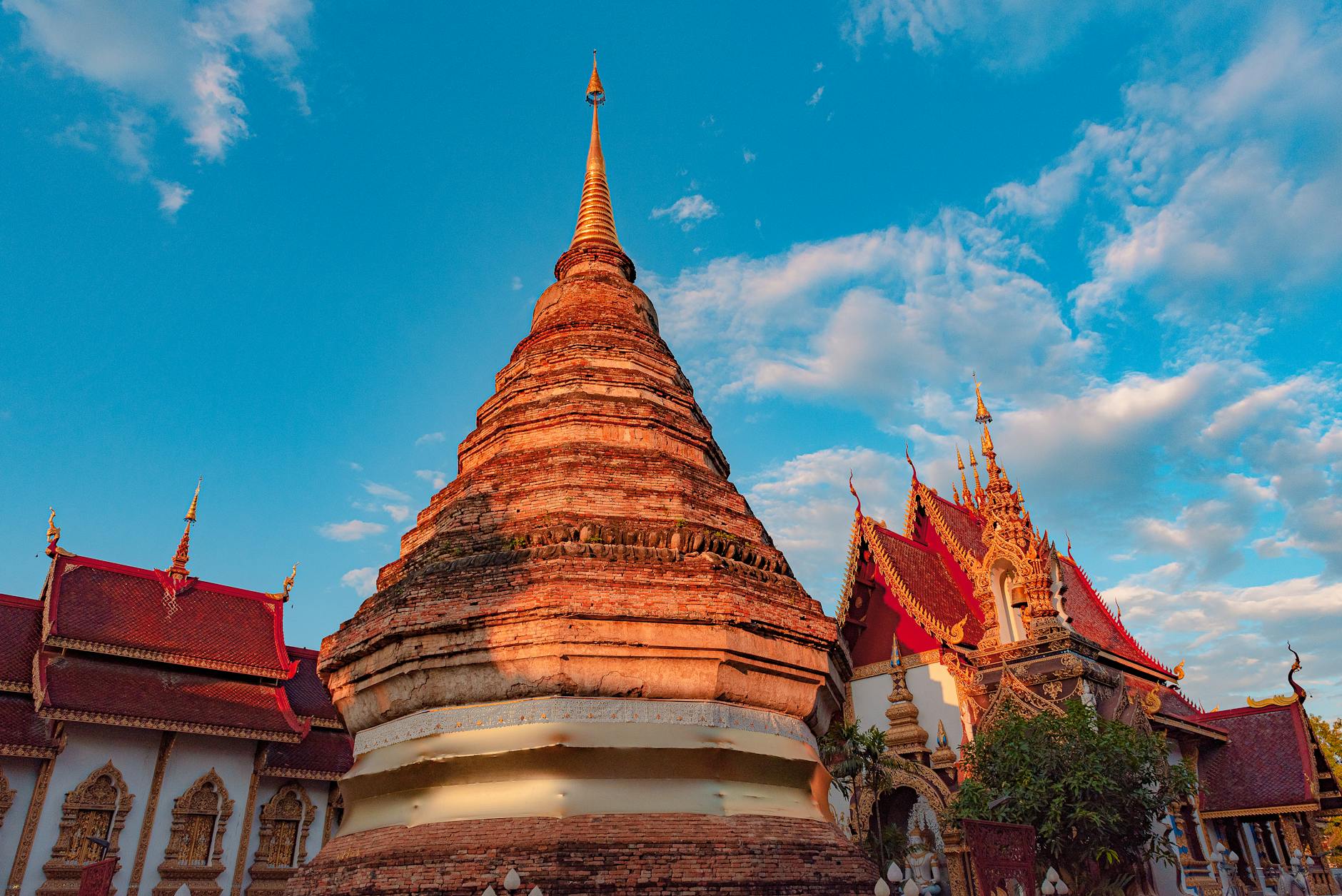
Most people plan Chiang Mai for November through February - cool air, clear skies, every guesthouse booked. June gets written off as ‘rainy season’ and left off the itinerary entirely. That’s a mistake, and a useful one for the people who show up anyway.
The rain in June is rarely what first-timers expect. It doesn’t rain all day. It rains hard for an hour or two, usually in the afternoon, then stops. Mornings are often clear enough for long temple visits without sweating through your shirt before 9am - something that’s genuinely difficult in March or April, when heat index temperatures in northern Thailand regularly exceed 40°C. By June the air has cooled slightly and the smoke from the agricultural burning season, which chokes the city from February through April, is completely gone. The air quality alone is reason enough to reconsider the timing.
The Old City Without the Crowd
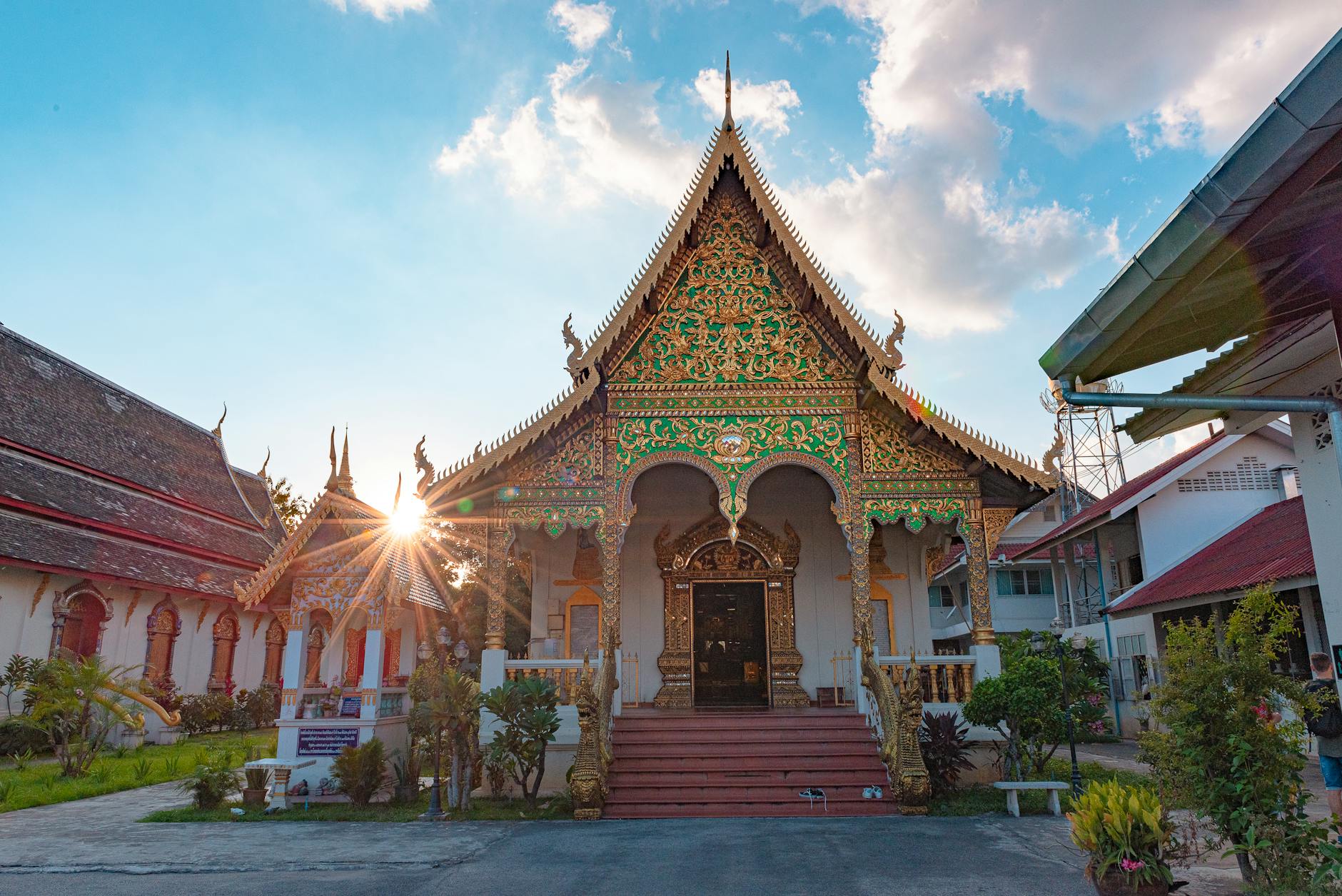
Wat Chedi Luang and Wat Phra Singh are two of the most photographed temples in northern Thailand. In peak season they’re ringed with tour groups by mid-morning. In June you can stand in front of the main chedis at Wat Chedi Luang and have a coherent thought. The monks doing their rounds aren’t competing with photographers for space. The effect of actually being able to sit quietly inside these places - which are, after all, functioning religious sites - is significant.
The Sunday Walking Street on Wualai Road and the Saturday Night Market on Wua Lai still run through low season, though smaller. That reduction in scale is an improvement. Fewer stalls means the vendors who do show up tend to be the ones selling things worth looking at: northern Thai silverwork, celadon pottery from the village of Sankamphaeng, hand-painted parasols from Bo Sang.
What June Actually Costs
Guesthouse prices in the Nimman area drop noticeably from peak season rates. A well-reviewed mid-range hotel that charges 2,000–2,500 THB per night in December can run closer to 1,200–1,500 THB in June. This isn’t a dramatic discount, but combined with shorter queues at popular cooking schools and easier same-day bookings at restaurants that require reservations in high season, the overall experience is less managed and more actual.
The one thing June doesn’t fix is the road to Doi Inthanon. The mountain gets slippery and some trails close after sustained rain. If hiking Thailand’s highest peak is the specific reason for the trip, November through January remains the sensible window. For everything else Chiang Mai offers - the food scene around the Nimmanhaemin area, the temples, the markets, the unhurried pace of the old city - June is not a consolation prize. It’s just quieter, and cheaper, and the air is clear.