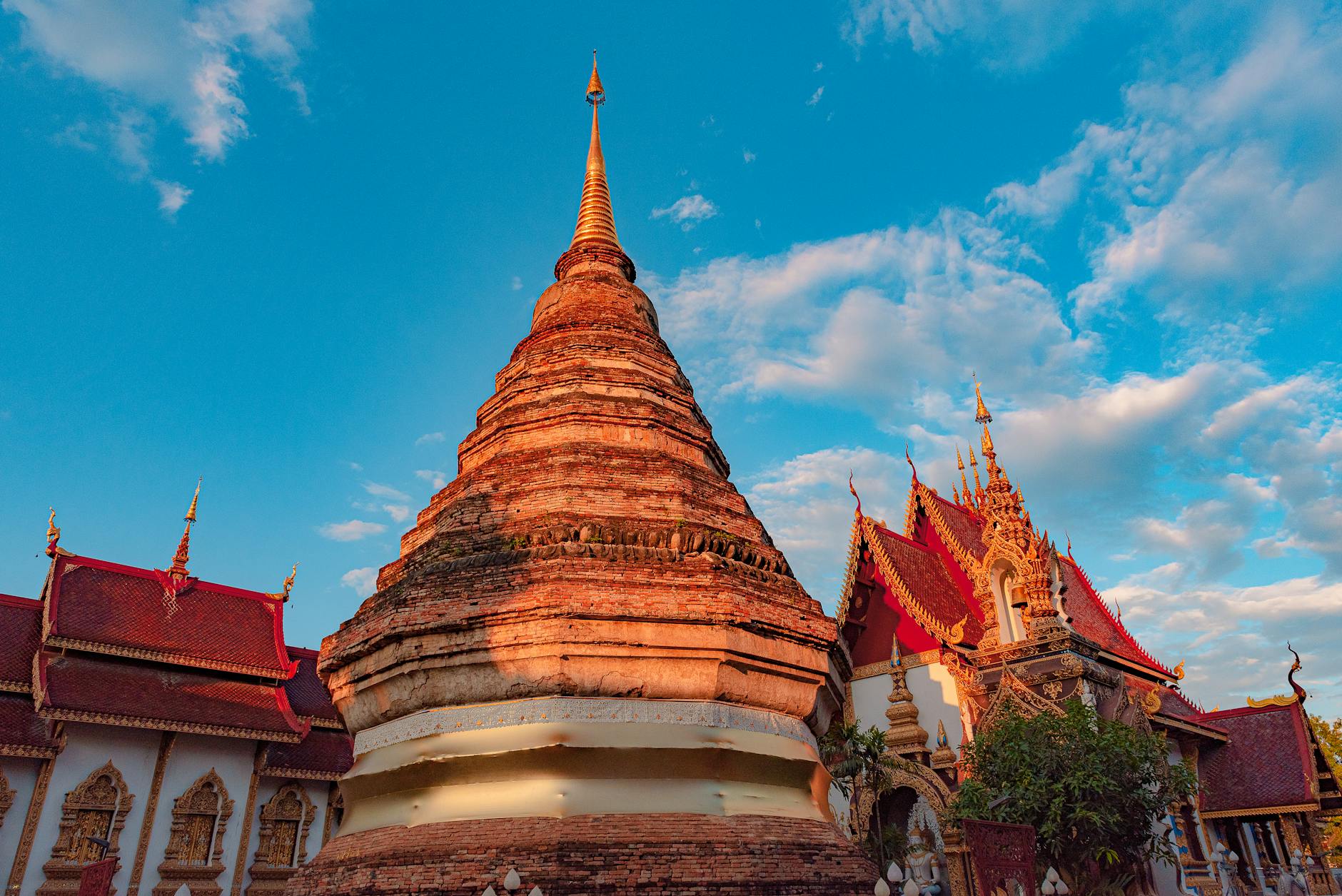
Most itineraries for northern Thailand are built around November to February - the cool, dry months when the light is golden and the air is clear. That window is genuinely lovely, and genuinely crowded. The old city fills up, guesthouses around Nimman raise prices, and the popular temple at Doi Suthep sees queues that would feel at home in a European capital.
June is different. The monsoon has already arrived, and most travellers have gone home or rerouted to beaches further south.
What the rain actually looks like
The wet season in Chiang Mai rarely means all-day downpours. The more typical pattern is clear-ish mornings, building cloud cover through the afternoon, and a proper rain somewhere between 2pm and 6pm. By evening it usually clears. This rhythm is very workable if you stop treating the rain as a problem to be avoided and start scheduling around it instead.
Mornings are genuinely good. The air after a night of rain is cooler than it has any right to be for a city at this latitude - sometimes low enough by 7am that a light layer doesn’t feel absurd. The moat road around the old city, usually a noise and exhaust corridor, has a different quality in June. The traffic is lighter. The light is softer.
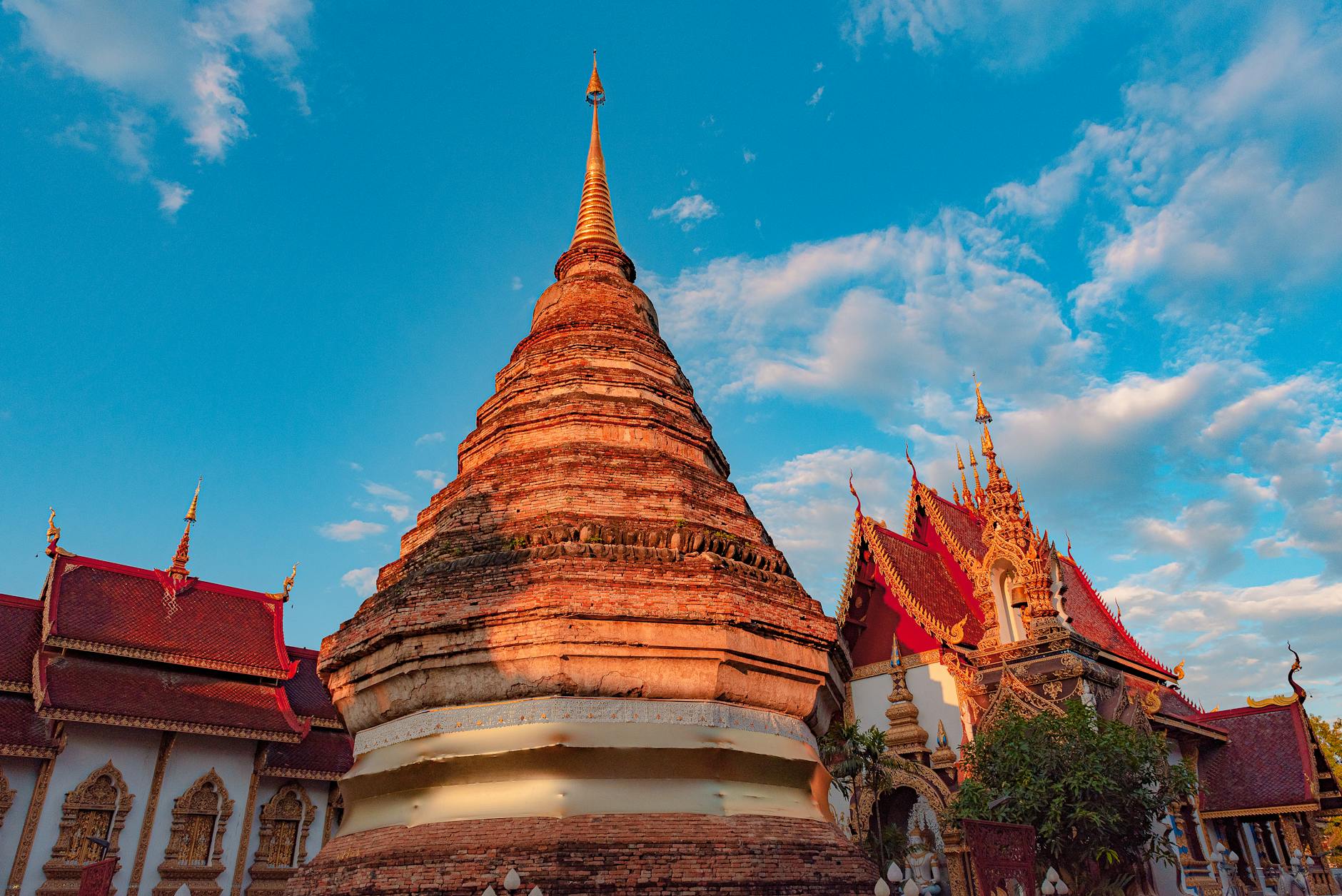
Where the crowds actually go
They go to Phuket, Koh Samui, or further afield. The travellers who remain in Chiang Mai in June tend to be longer-stay visitors - people running remote work months, studying Thai cooking seriously, or doing extended meditation retreats at centres like Doi Suthep-Pui or those near the Mae Rim valley. The social texture of the city shifts accordingly. Conversations in cafés run longer.
For context: guesthouse and mid-range hotel prices in June are typically lower than peak season rates, though exact figures vary by property and year.
The one thing that does suffer
Day hikes. Trails around Doi Inthanon and in the surrounding national parks can be slippery and, after heavy rain, occasionally closed. Anyone whose primary reason for visiting is serious trekking should note this honestly. Guides still operate, but conditions are unpredictable and the views from higher elevation are often obscured.
Everything else - the food markets on Saturday and Sunday walking streets, the ceramics and silverwork of the craft village area near San Kamphaeng, the cooking schools that run year-round - operates normally, often with noticeably shorter waiting lists for popular classes.
Chiang Mai in the dry season is a good trip. In June it’s a quieter, cheaper, and in some ways more honest version of the same city.