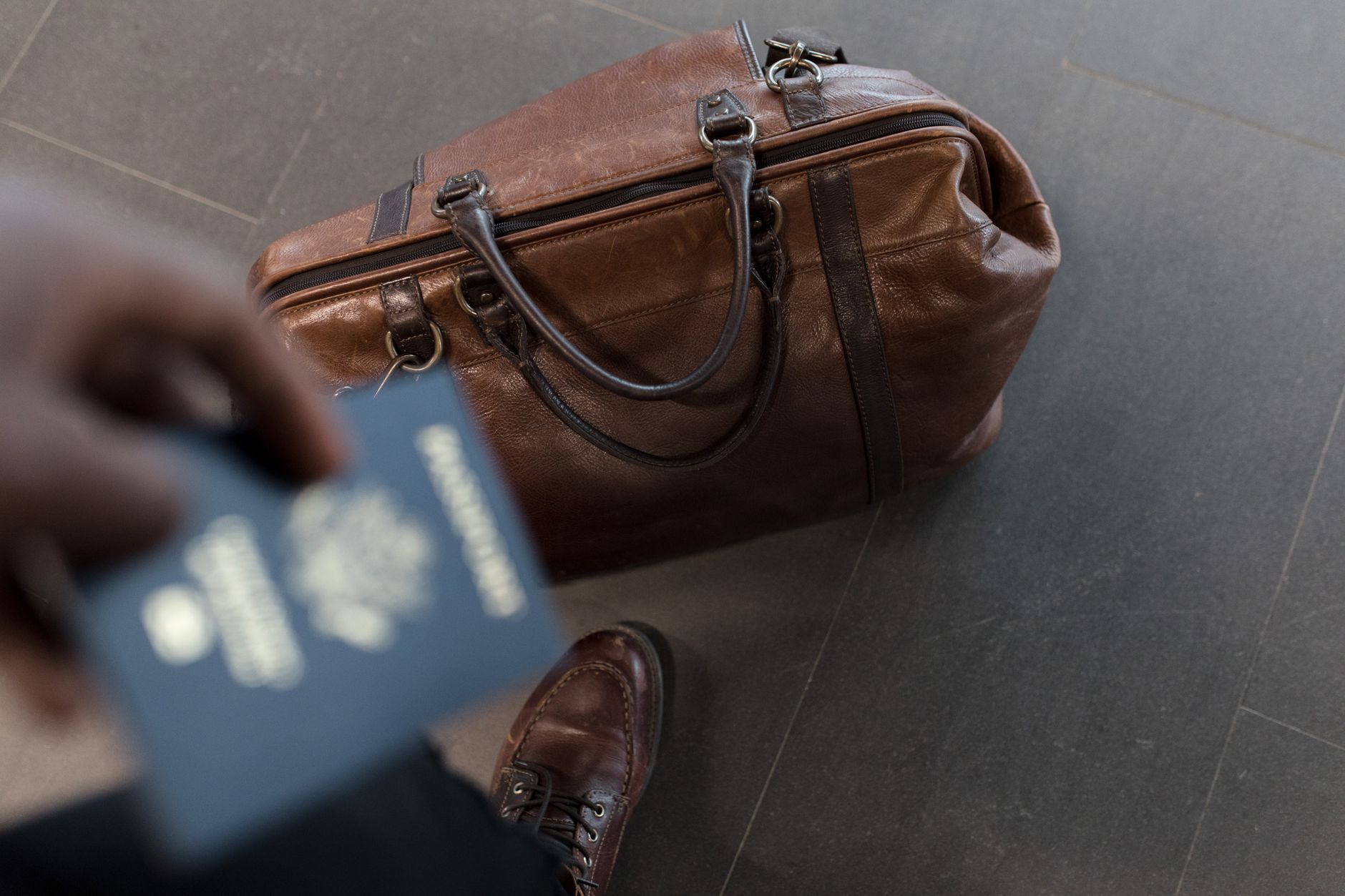
Carry-on only has become something of a travel identity. People wear it like a badge - I went to Southeast Asia for three weeks with a 20-litre backpack - and a whole industry of lightweight gear, packing cubes, and merino wool shirts has built up around the idea. For a lot of trips, it works brilliantly. For some specific ones, it quietly makes your life worse.
The situations where it breaks down tend to cluster around the same variables: climate extremes, formal obligations, and itineraries that cross multiple distinct environments in one trip.
Cold weather is the real test
A down jacket compresses. Thermal layers don’t take up much room. But winter boots do, full stop. If you’re travelling somewhere that genuinely requires them - northern Scandinavia in January, mountain towns in the Balkans, anywhere with real snow - you’re either wearing them on the plane (uncomfortable, and they still take space in overhead bins) or you’re checking a bag. The compression-sack workarounds people suggest for bulky outerwear work fine in theory but push you right to the edge of most carry-on size limits before you’ve packed anything else.
Multi-climate itineraries punish light packers
A common itinerary in Southeast Asia: fly into Bangkok, travel north to Chiang Mai, cross into northern Vietnam, then back south to the coast. The temperature range across that route can span 15°C or more depending on the season. Packing for both beach weather and cool highland evenings without redundancy is genuinely difficult, and most people either underpack for one end or overpack for both.
The same problem appears in South America - moving between coastal cities and Andean altitude - and in any trip that combines urban Europe with hiking.
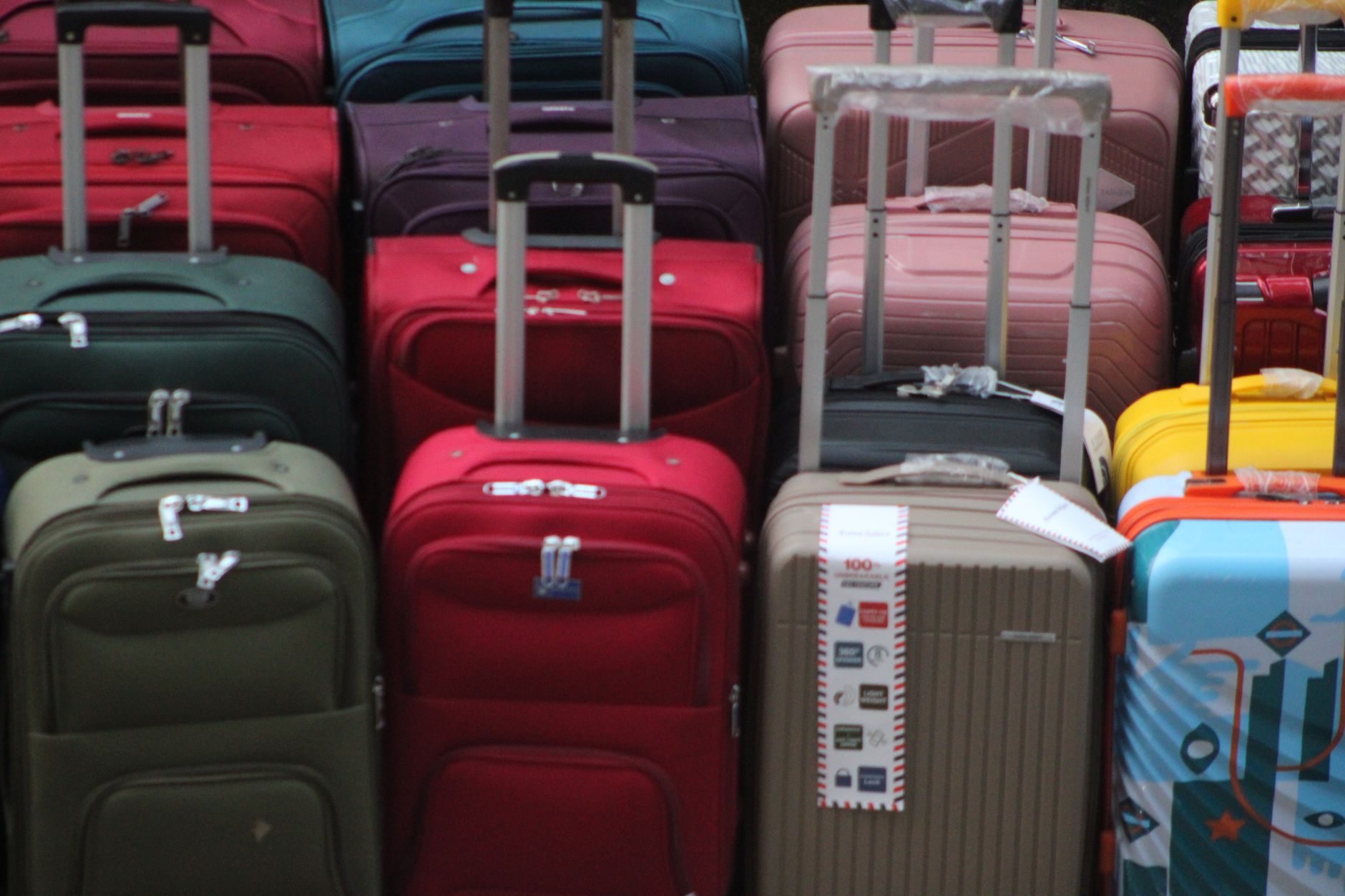
When you need to look like an adult
Weddings, business meetings, formal dinners - anything requiring clothes that can’t be stuffed into a packing cube and shaken out. A suit jacket survives carry-on travel technically, but it doesn’t survive it well unless you’re wearing it the entire flight.
The actual rule
Carry-on only is the right default for trips under ten days, single-climate destinations, and anywhere you’re moving frequently and don’t want to deal with delayed luggage on tight connections. It is not a universal principle, and treating it as one causes people to underpack in ways that create real inconvenience.
Checking a bag isn’t a failure of travel philosophy. Sometimes it’s just the correct logistics decision.