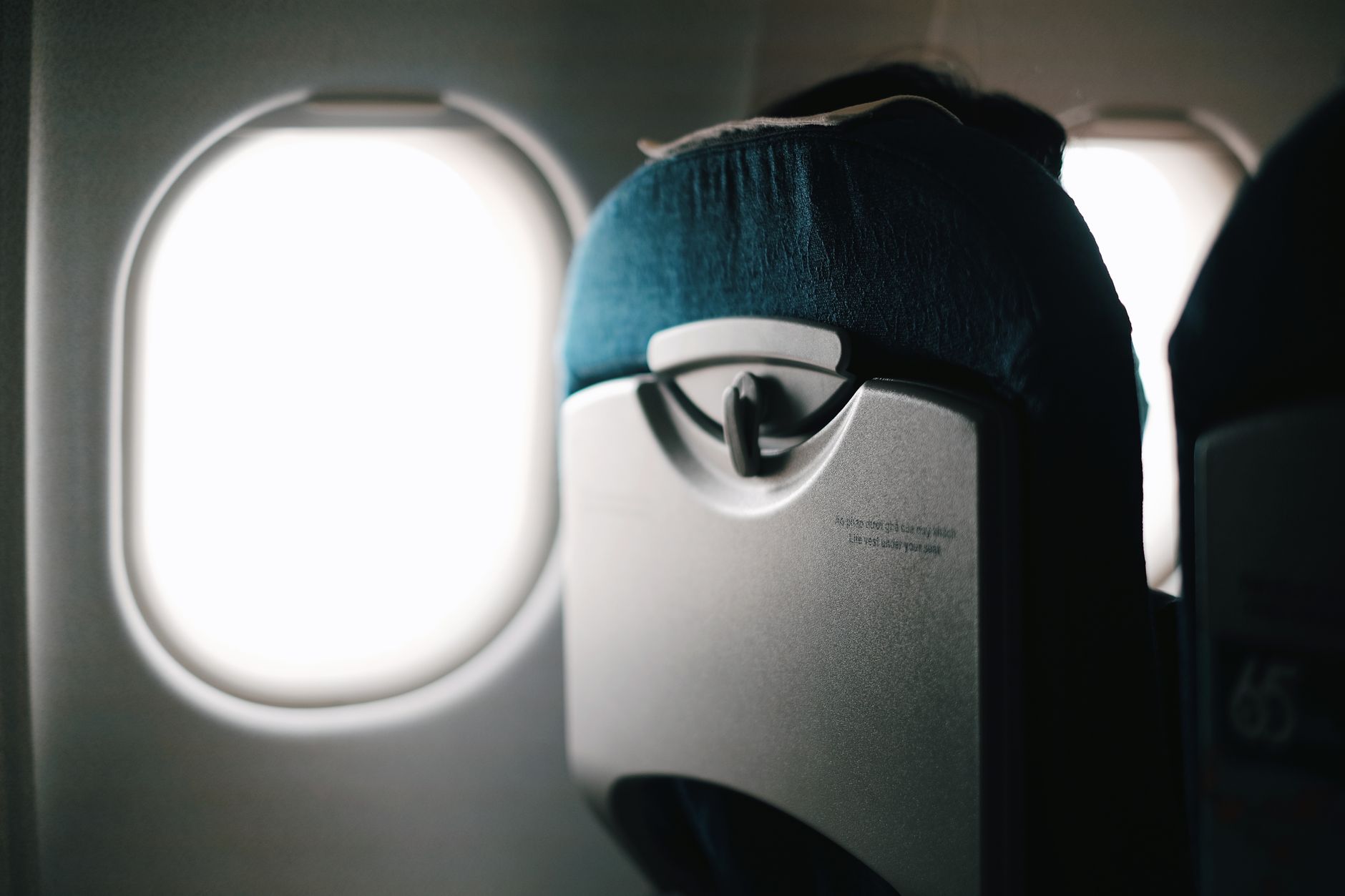
Most people spend more time choosing a hotel room than choosing their seat on a 13-hour flight. That’s the wrong order of priorities. The seat is where you’ll spend the most consequential hours of your trip - the ones that determine whether you land ready to move or ready to lie down for a day.
Aisle vs Window Is Not a Preference Question
On flights over eight hours, the window seat is almost always the wrong call unless you genuinely don’t sleep and don’t need to move. The wall gives you something to lean against, yes, but it traps you. You’ll drink less water to avoid disturbing your neighbours, which accelerates dehydration and jet lag. The aisle seat lets you move when you need to - and on long-haul flights, moving matters. Blood pools in your legs when you’re stationary for hours, and that’s not a minor inconvenience; it’s a real circulatory issue, particularly on flights over nine hours.
The exception is bulkhead seats, which give you the window-side lean without the trapped feeling - but legroom at bulkheads is inconsistent between aircraft types, and overhead storage disappears. Check the specific aircraft on SeatGuru before you assume.
Timing Your Departure Is an Actual Strategy
A red-eye that lands at 6am local time sounds efficient until you realise you’re arriving at the start of a full day with no sleep that actually worked. Overnight flights seem logical for long-haul because they theoretically let you sleep through transit - but cabin pressure, dry air, and noise mean most people manage two or three broken hours at best.
Flights that arrive mid-afternoon give you time to check in, eat something real, and sleep at a reasonable local hour. The day feels wasted on paper. In practice, you’re functional the next morning rather than still recalibrating 48 hours in.
The Cabin Air Problem Nobody Warns You About
Aircraft cabins are pressurised to an equivalent altitude of roughly 6,000–8,000 feet, and humidity levels are typically kept very low - often below 20 percent. That’s drier than most deserts. Your mucous membranes dry out faster than you notice, which is why you feel vaguely ill after long flights even when nothing specific went wrong.
Drinking water consistently - not when you feel thirsty - is the only real fix. A small bottle of saline nasal spray is cheap and genuinely useful on flights over seven hours.
On Upgrade Bidding
Many airlines now run upgrade bidding systems where economy passengers can offer a price for business class in the days before departure. The floor bids are often surprisingly low on less-popular routes, and on a 14-hour flight the flat bed is less about luxury than it is about arriving without a ruined first day. It’s worth checking what your airline offers, even if you’re not someone who thinks about business class.
Whether it’s ever worth bidding on a short-haul connection in the same itinerary is a different question entirely - and probably not.