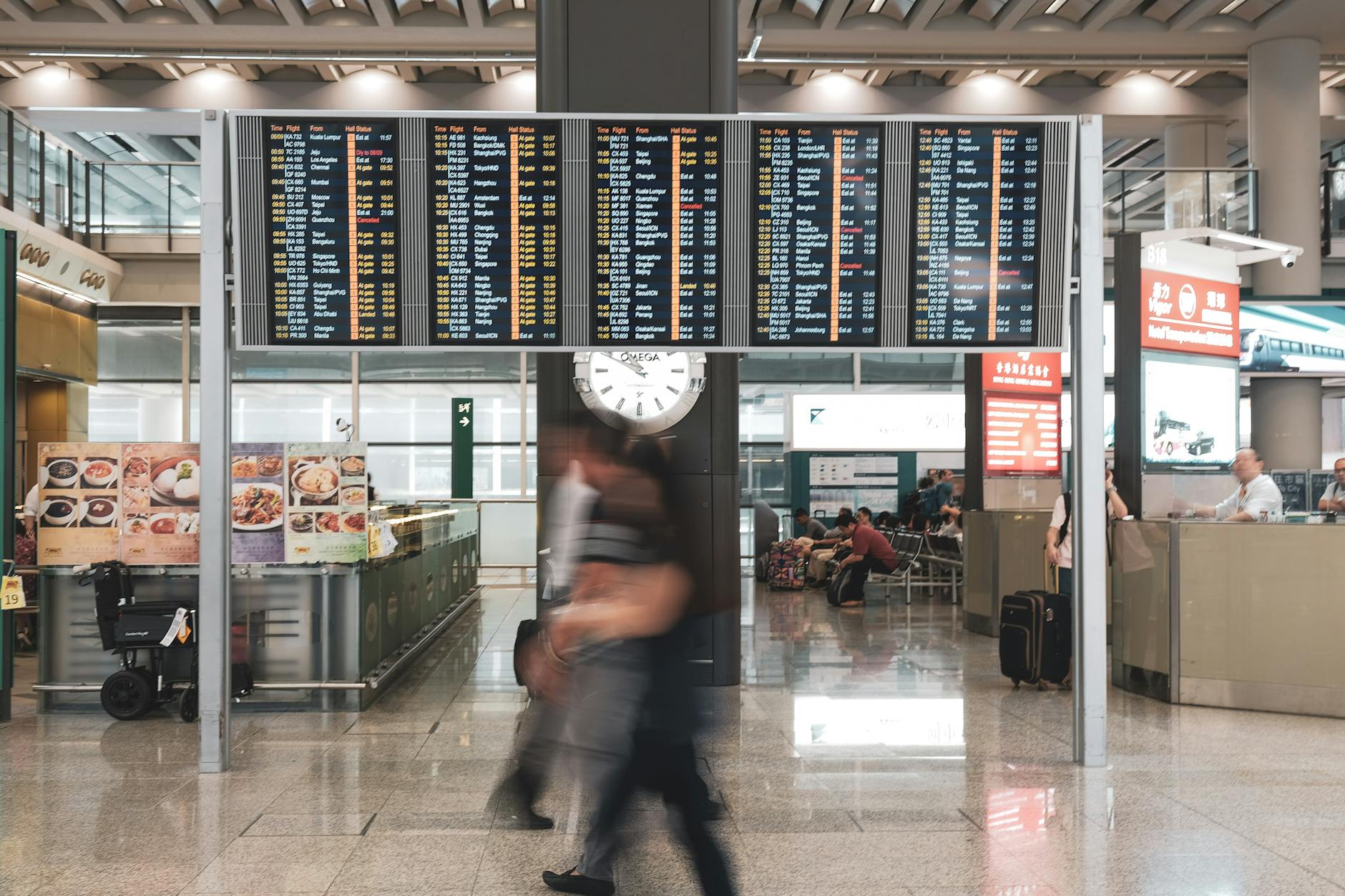
Most advice about when to book flights is recycled guesswork dressed up as strategy. The ‘54 days before departure’ rule, the ‘book on a Tuesday at midnight’ trick - these circulate endlessly because they sound precise, and precision feels reassuring when you’re about to spend $900 on a seat.
Here’s what’s actually true, and what you can act on.
Flexible dates matter more than flexible timing
For long-haul routes - anything transatlantic, transpacific, or into Southern Africa - the single highest-leverage move is shifting your departure by one or two days. Flying London to Bangkok on a Wednesday instead of a Friday can cut the fare by 15–25%. That’s not a tip from a deal newsletter; it’s a structural reality of how airlines price leisure-heavy versus business-heavy travel days. The same logic applies to return legs. If your schedule has any give at all, use Google Flights’ calendar view before you touch the ‘book now’ button on anything.
Set a price alert, then ignore it for two weeks
Google Flights and Hopper both offer price tracking that actually works - not as a prediction engine, but as a baseline setter. Once you’ve tracked a route for 10–14 days, you get a real sense of the floor price rather than whatever inflated number you saw when you first searched in a panic. Airlines do drop fares to fill seats, particularly 3–6 weeks out on routes with lower demand, but they don’t do it predictably enough to build a strategy around.
What you’re looking for is the moment the price drops noticeably below your observed baseline. That’s when you book. Not before, not after two more weeks of hoping.
Stop chasing business class mistake fares
They exist. They get fixed within hours. Building your travel plans around them is statistically close to useless unless you are sitting at your laptop with a saved payment method and a passport that doesn’t need a visa, ready to go wherever the fare points.
On layover length
Book any connection under 90 minutes on a single ticket and you’re trusting an airline’s optimism about its own punctuality. On separate tickets, you’re just gambling.
One final thing worth sitting with: the cheapest fare is not always the best value. A $180 saving that routes you through a hub with a 45-minute connection and your bags checked to final destination is the kind of decision you’ll remember in an airport corridor at 11pm. Price is one variable. It shouldn’t be the only one.