
Most people book flights when they’ve decided to travel, not when the price is right. Those two moments almost never coincide, and that gap is where airlines make their money.
For long-haul routes - think Europe to Southeast Asia, North America to Australia, anything over eight hours - the pricing pattern is consistent enough to act on. Fares on these routes are typically cheapest when booked six to twelve weeks in advance for off-peak travel, and eight to fourteen weeks out for peak periods like summer school holidays or Christmas. Booking the day you decide you want to go almost always means paying a premium.
Stop Treating Tuesday as a Magic Rule
The old advice about booking on Tuesdays is essentially dead. Dynamic pricing algorithms now update fares continuously, not in weekly cycles. What still holds: flying on Tuesday, Wednesday, or Saturday tends to be cheaper than flying on Fridays or Sundays, because those are the days business travellers and weekenders are least likely to book. That’s a departure-day choice, not a booking-day strategy.
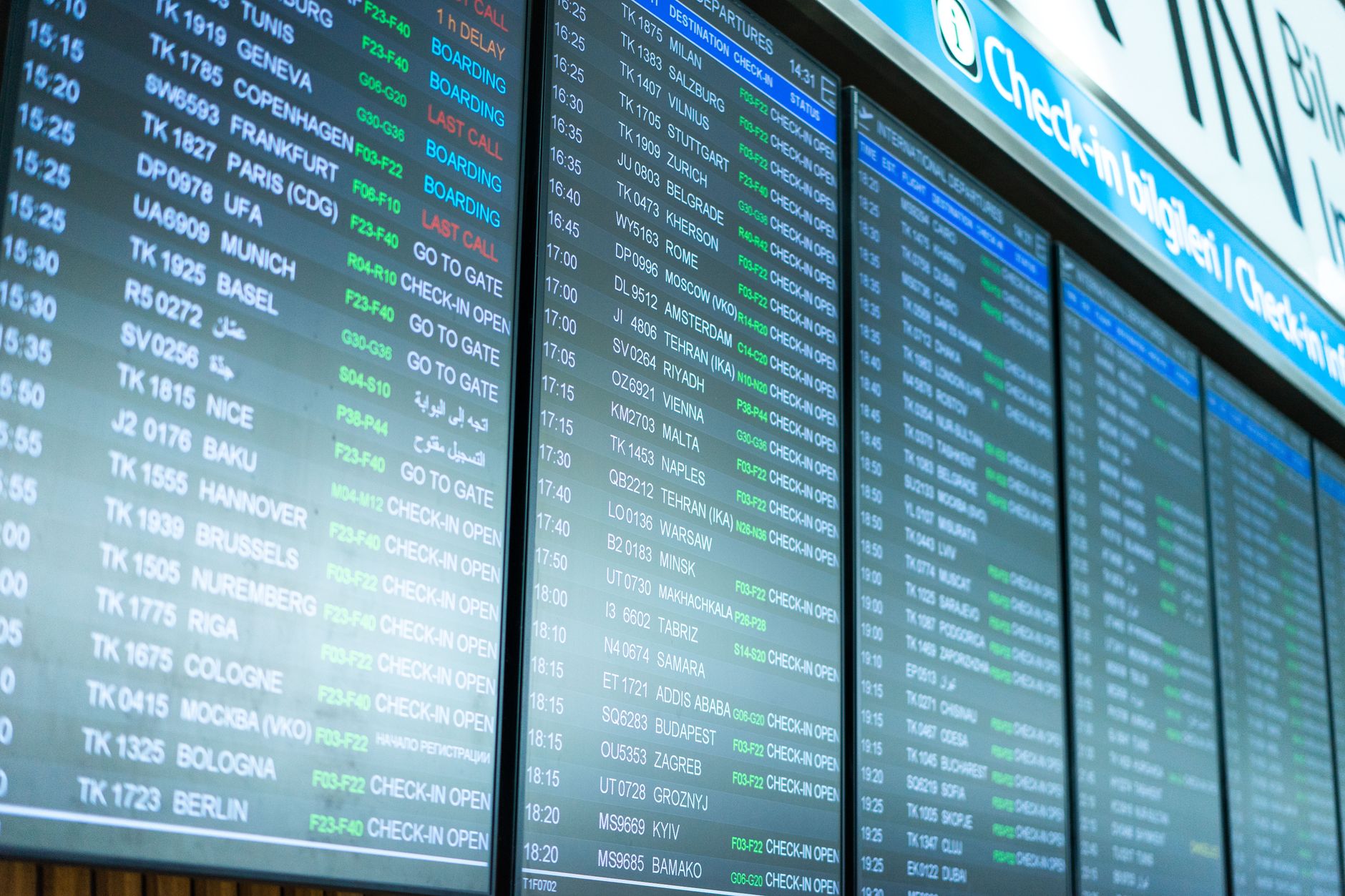
The Layover You Didn’t Choose
When comparing fares, filter by total travel time before you filter by price. A connecting itinerary that saves you €80 but adds a six-hour layover in a hub you’ll sit in a vinyl chair at 3am is not a bargain - it’s a tax on your own willingness to suffer. Some layovers are worth engineering deliberately (more on that below). Accidental ones, dropped on you by an algorithm hunting the cheapest possible routing, rarely are.
That said, if your connection is more than eight hours in a city with easy airport-to-city transit - Istanbul, Doha, Singapore - build it in intentionally and book it as a stopover rather than a connection. The price is often identical and you get an actual day somewhere.
What the Comparison Sites Don’t Show You
Google Flights’ price calendar is the most useful free tool for long-haul booking. Set your destination, leave the departure date flexible, and look at the month view. The colour gradient tells you immediately which dates are expensive and which aren’t. Then check the actual airline’s website directly - booking fees on third-party platforms can add €15–40 per passenger, and if anything goes wrong with the booking, you want a direct relationship with the carrier.
Also: book each long-haul leg separately if you’re routing through multiple regions. A single ticket from Madrid to Bali routed through Doha will often cost more than Madrid–Doha and Doha–Bali booked independently, particularly if you can use different carriers.
None of this is complicated. It just requires booking before you’re desperate to travel, which is the one thing most people refuse to do.