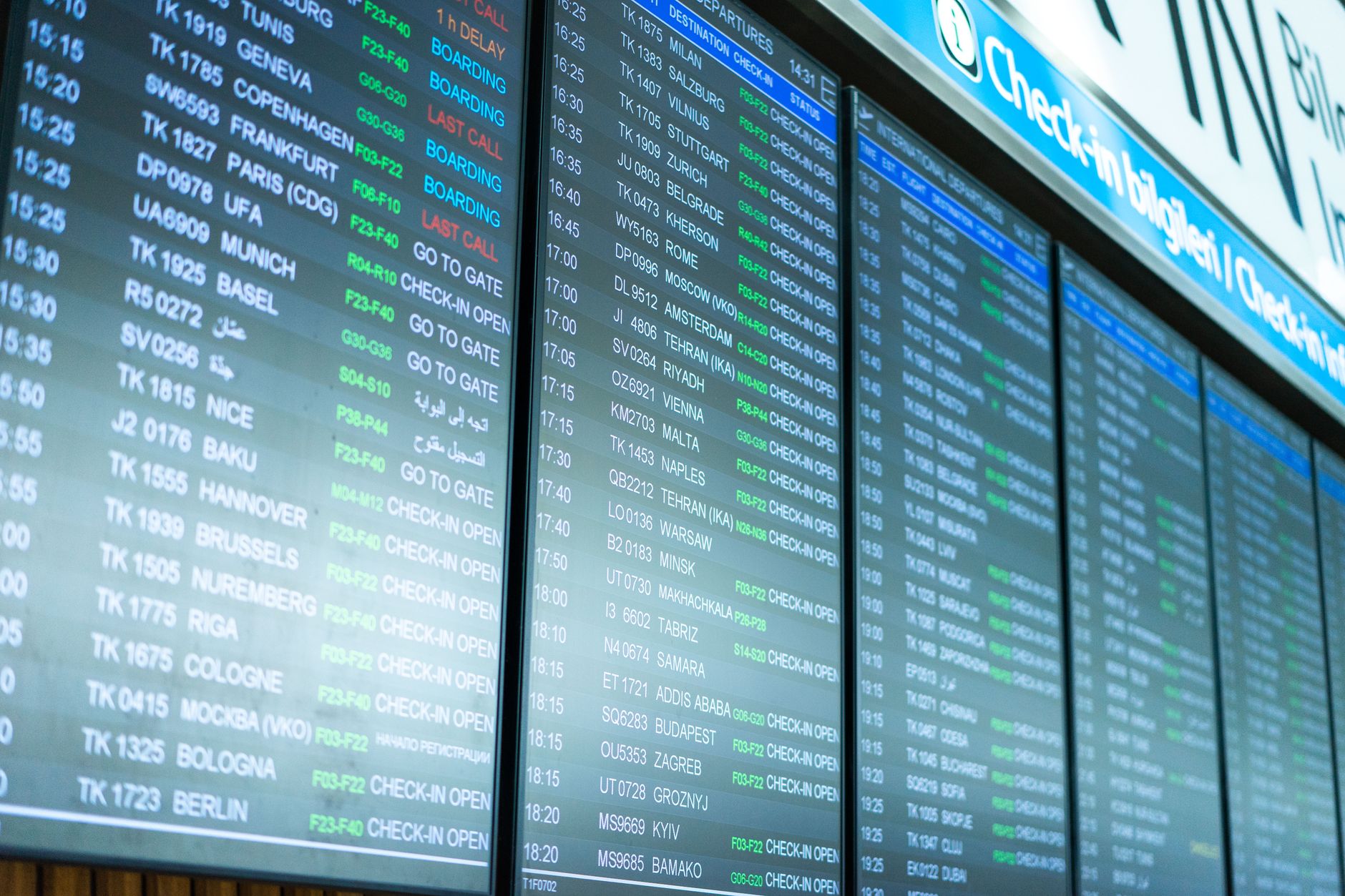
Most people book flights when they’ve decided they’re going somewhere. That sounds obvious, but it’s the problem. The decision to travel and the moment to book are two different things, and conflating them is expensive.
For long-haul routes - Europe to Southeast Asia, North America to Australia, anything crossing an ocean - the window where fares are genuinely competitive is narrower than most travellers assume. Too early and airlines haven’t released their best inventory. Too late and the cheap seats are gone. The sweet spot for most long-haul economy tickets sits somewhere between six weeks and four months out, depending on the route and season. That’s not a rule, but it’s a useful frame.
Tuesday Is Not a Myth, But It’s Not the Whole Story
You’ve probably heard that Tuesday is the cheapest day to book. There’s something to it - airlines do tend to adjust pricing mid-week after weekend demand - but treating it as gospel leads to bad decisions. A bad fare on a Tuesday is still a bad fare. What matters more is being ready to book when a price drops, not waiting for an arbitrary day of the week.
Set fare alerts. Google Flights lets you track specific routes and will notify you when prices move. Skyscanner does the same. These tools exist specifically because airlines change prices constantly, often multiple times a day, and no human can monitor that manually.
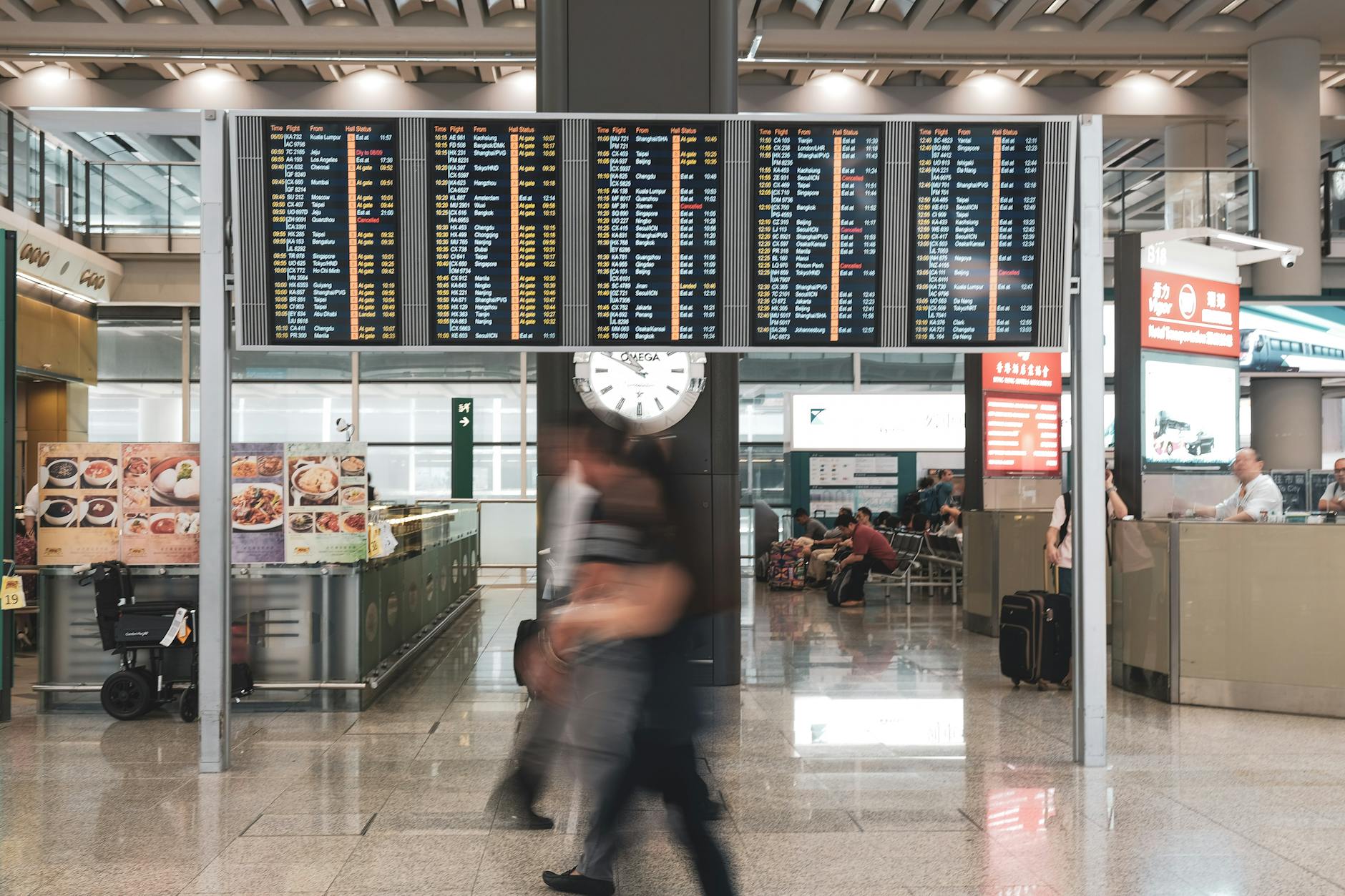
The Routing Decision Most Travellers Skip
Direct flights are not always worth the premium. On some routes - say, London to Manila - a one-stop via Doha or Kuala Lumpur can be significantly cheaper and adds only two or three hours to a journey that’s already 13-plus hours. The calculus changes when you have checked bags with tight connection times, or when you’re travelling with young children. But for a solo traveller with a carry-on, paying an extra £200 for a non-stop is often just comfort pricing.
Mix-and-match booking - buying outbound and return legs separately, sometimes with different carriers - can also save money, but it removes your protection if one flight is cancelled and causes you to miss the other. Know what you’re giving up.
One Thing Worth Paying Extra For
Seat selection on a 14-hour flight. Not an upgrade - just the ability to choose where you sit. Airlines increasingly charge for this at booking, and it’s usually worth it. A middle seat at the back, sandwiched between strangers on a flight that long, affects your first two days at your destination. That’s not opinion; anyone who’s arrived somewhere exhausted after a cramped overnight flight knows what follows.
Economy is fine. A bad seat in economy is not.