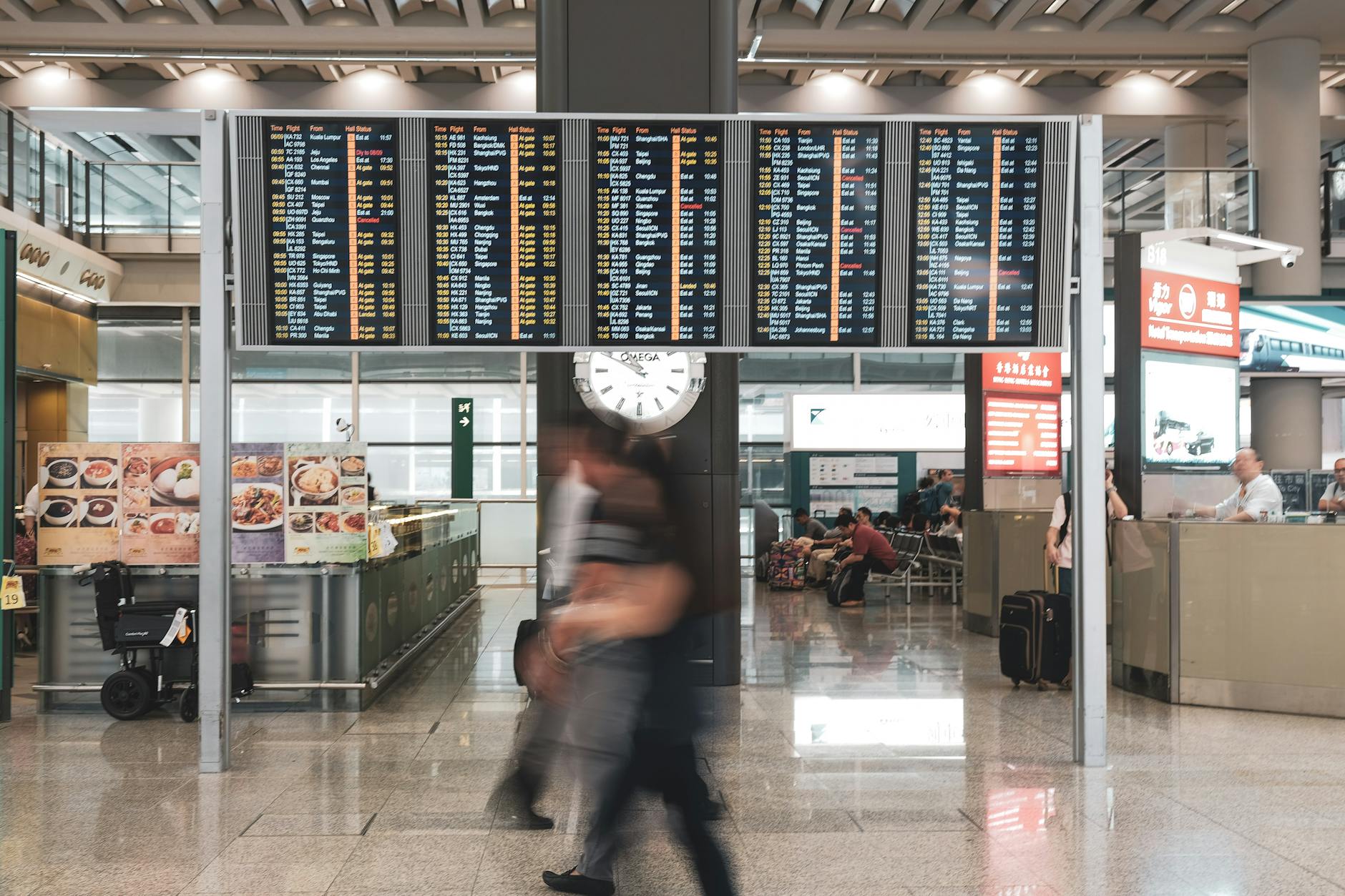
Airline pricing is not random, even when it feels that way. There are patterns - not guarantees, but tendencies - and ignoring them costs real money on long-haul routes where the base fare already starts high.
When You Search Matters as Much as When You Book
Most frequent flyers know to avoid booking on weekends. Fewer realise that searching on weekends also tends to surface higher prices. Airlines and booking platforms use dynamic pricing that responds to traffic volume. Sunday afternoon, when a lot of people are idly browsing for upcoming trips, is not when you want to be making decisions. Mid-week searches - Tuesday through Thursday - tend to show lower fare buckets more reliably, particularly on routes between major hubs.
This isn’t a trick. It’s how yield management works: fares fluctuate based on demand signals, and search traffic is one of those signals.
The Booking Window Is More Important Than the Day of Week
For long-haul international flights - anything over eight hours - the sweet spot for booking is generally between two and four months out. Inside six weeks, airlines know they have you and price accordingly. Beyond five months, the cheapest fare classes often haven’t opened yet, or they’ve already been absorbed by early corporate bookings.
Business and premium economy have slightly different windows. Those fares sometimes drop in the final three to four weeks when airlines are trying to fill upgraded inventory, but that’s a gamble on availability, not a strategy.
Use Fare Alerts, Not Constant Checking
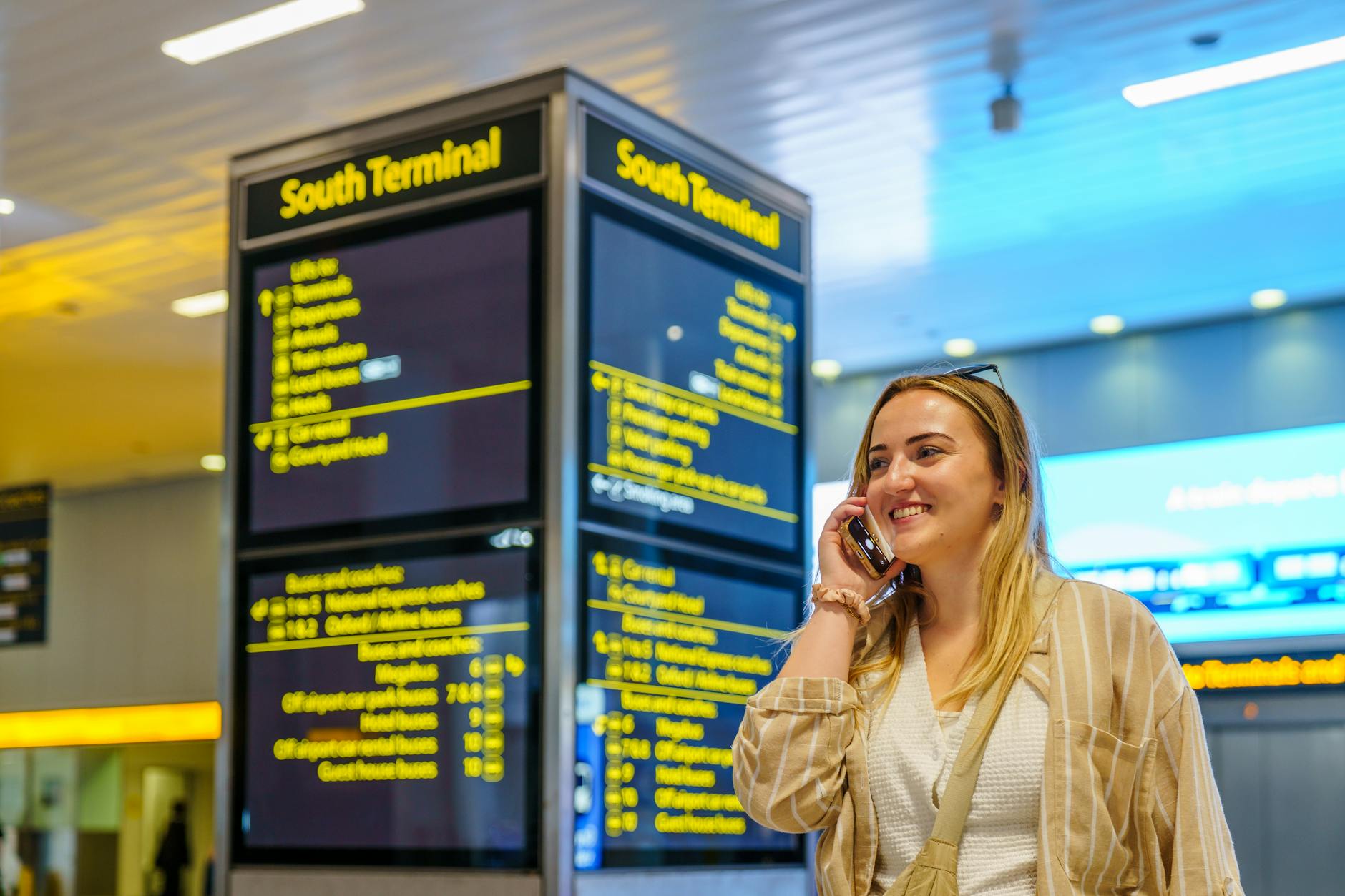
Google Flights and Hopper both offer price tracking that notifies you when fares move on a specific route. Set the alert and stop checking daily. Obsessively monitoring prices doesn’t lower them, and it creates a kind of decision paralysis where every fare feels like it might drop further.
Set your alert. Set a price you’d genuinely book at. When it hits, book it.
One Thing Most Travellers Skip
Check the fare separately for each leg. On some routes - particularly trans-Pacific or routes connecting through the Middle East - booking two one-way tickets on different carriers is cheaper than a return on a single airline. It takes fifteen extra minutes. On Sydney–London or Manila–New York routes, that fifteen minutes can save $200–$400.
Not always. But often enough to check.