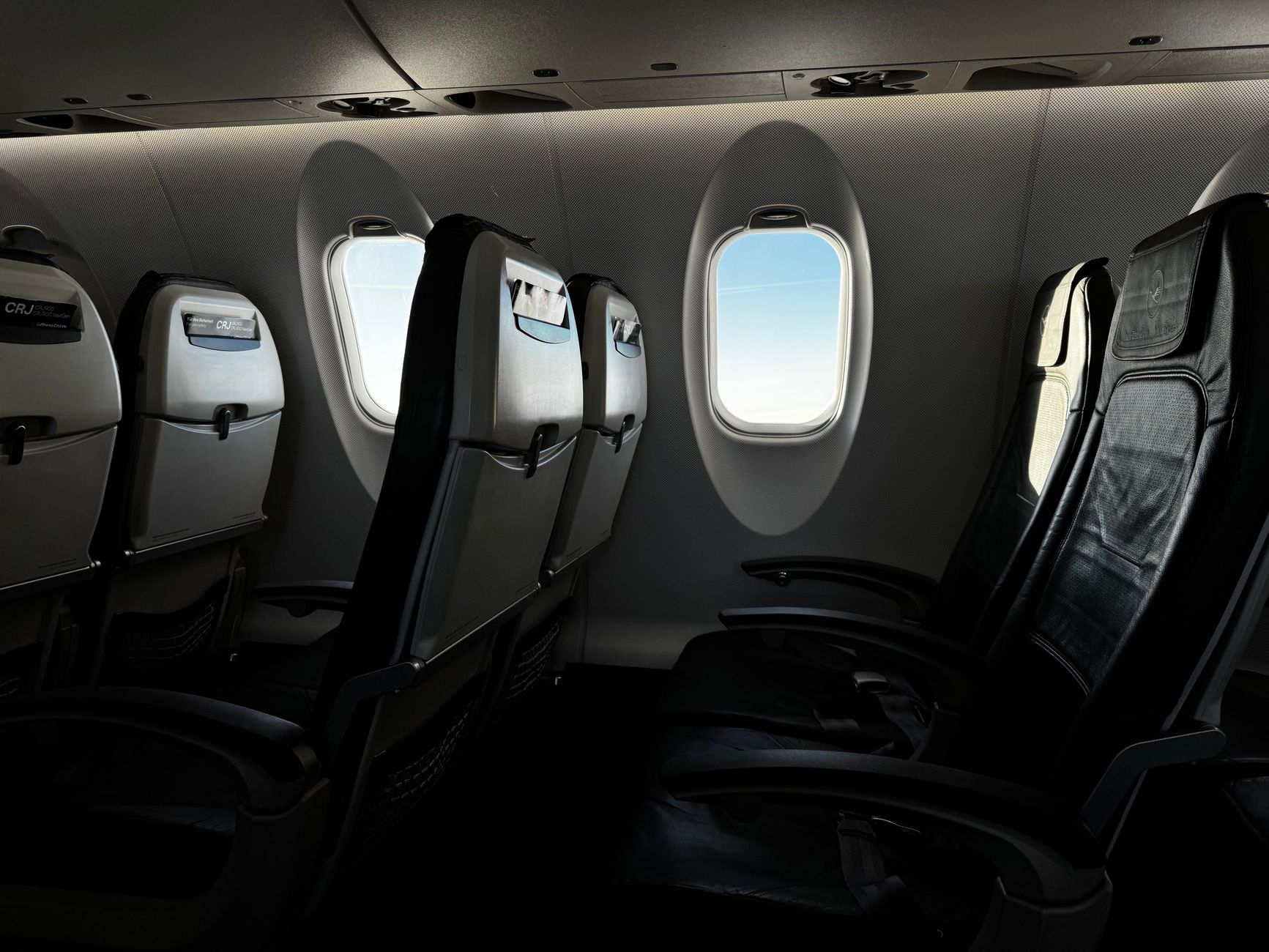
Most people treat flight booking like a lottery - refresh a few times, pick whatever looks reasonable, hope for the best. The result is usually overpaying by 20–40% on long-haul routes, which on a Sydney–London or Manila–New York ticket can mean several hundred dollars gone for no reason.
The clearest pattern across major booking platforms is that Tuesday and Wednesday searches tend to surface lower fares on transatlantic and transpacific routes. This isn’t guaranteed, but it’s consistent enough to be worth scheduling your search around rather than checking impulsively on a Friday evening, when leisure demand drives prices up. Airlines adjust inventory pricing algorithmically and frequently, so the “book six weeks out” rule that circulated for years is too blunt to be reliable - but the day-of-week pattern has held up more consistently.
Clear Your Cookies. Actually Do It.
Flight search engines track your visits. If you’ve searched the same route three times, prices on some platforms will nudge upward on your next visit. Searching in an incognito or private window costs nothing and removes that variable entirely. It’s a small habit that takes two seconds.
Direct vs. One-Stop: The Math Changes on Long Haul
On short routes, a stopover is usually just inconvenient. On a 14-hour flight, a one-stop itinerary through a hub like Doha, Dubai, or Singapore can shave a significant amount off the fare - sometimes more than $300 on economy - while adding only three or four hours of travel time. That trade-off is worth doing the actual arithmetic on rather than defaulting to the direct option out of habit.
The airports that tend to produce the best connecting fares are the major Gulf hubs and Singapore Changi, largely because the carriers based there - Qatar Airways, Emirates, Etihad, Singapore Airlines - are competing hard on volume and subsidize connecting traffic through pricing.
Set an Alert and Walk Away
Google Flights’ price tracking feature sends email alerts when fares on a saved route drop. Setting one and then not checking obsessively for two weeks is genuinely the most effective booking strategy available to ordinary travellers. The compulsive refreshing doesn’t move prices - it just gives you more opportunities to panic-buy at a bad moment.
If a fare alert triggers and the price is within your acceptable range, book it the same day. Fares at that level rarely sit for 48 hours on popular routes.