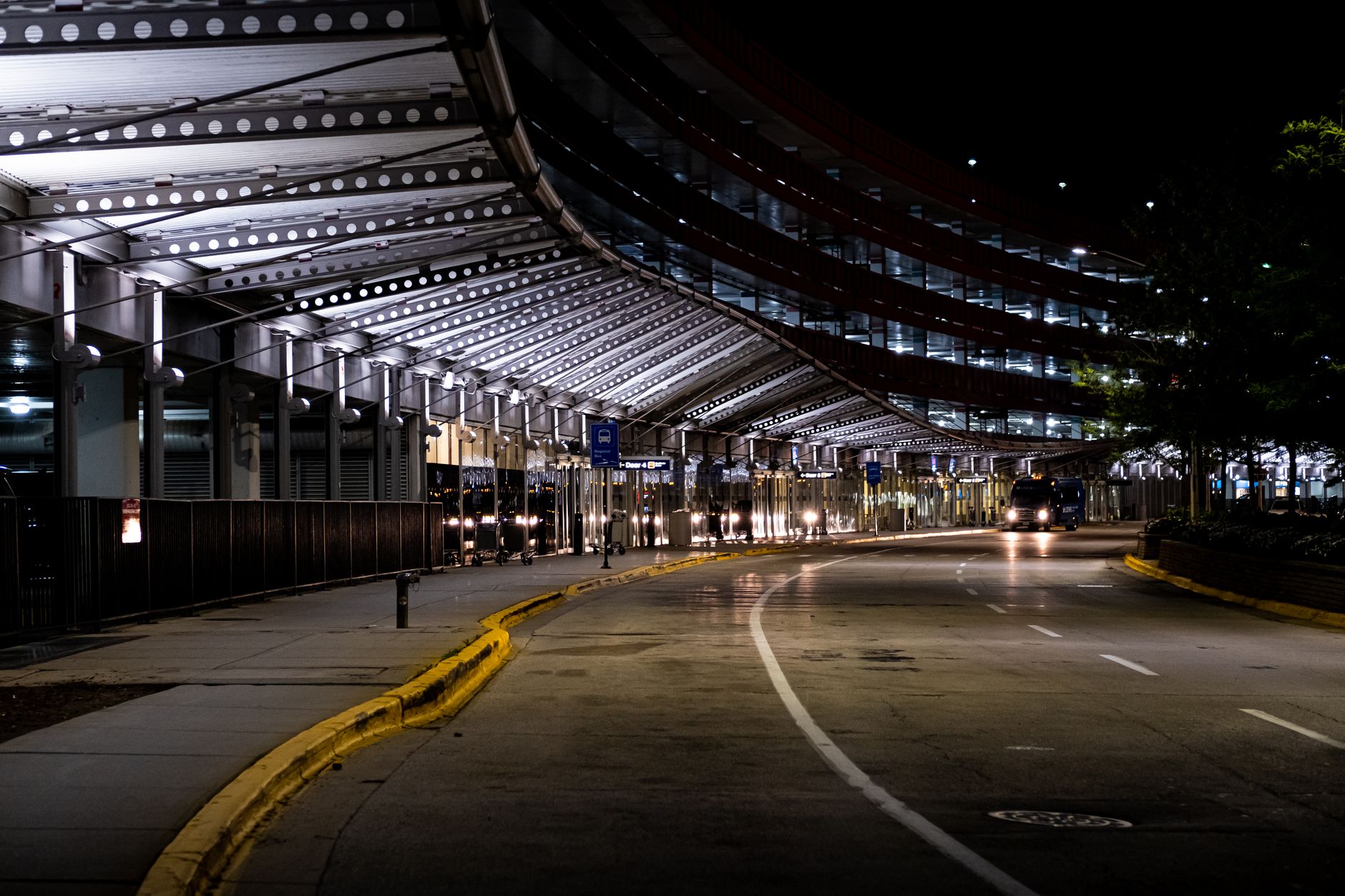
Most travellers spend an hour comparing hotel rooms and thirty seconds thinking about how they’ll actually get from the airport to those rooms. That mismatch causes more friction on arrival day than almost any other planning gap.
Airport transfers feel like something you can sort out on the ground. And technically, you can - but ‘technically’ is doing a lot of work there. In unfamiliar cities, especially ones where ride-hailing apps don’t function well or require a local SIM to activate, arriving without a plan means negotiating with unlicensed taxi drivers while jet-lagged, carrying your bags, and often not knowing what a fair price looks like.
The apps don’t always work immediately
Grab works well across much of Southeast Asia, but it requires a working data connection to set up a ride. If you’re still waiting on an eSIM to activate or haven’t bought a local SIM yet, you may find yourself in a queue anyway - just a longer one, with fewer options. Uber has pulled out of several markets entirely. Bolt is expanding but inconsistently. The assumption that a ride-hailing app will be ready to use the moment you land is often wrong.
Pre-booking a transfer through your accommodation or a third-party operator like KiwiTaxi or Welcome Pickups costs more than a metered taxi, sometimes significantly. That premium buys you one thing: a named driver waiting for you, with no negotiation required. Whether that’s worth it depends on how much you trust your own capacity to problem-solve after a long-haul flight.
What to check before you land
The practical checklist is short. Confirm whether your destination airport has a fixed-fare taxi scheme - many do, and they’re often better value than pre-booked transfers. Check whether your ride-hailing app of choice is active in that country and whether it needs a local number. Find out if your accommodation offers a pickup service and at what cost. Write the address of your hotel in the local script, not just in romanised form - this matters more than most guides acknowledge.
One thing people don’t consider
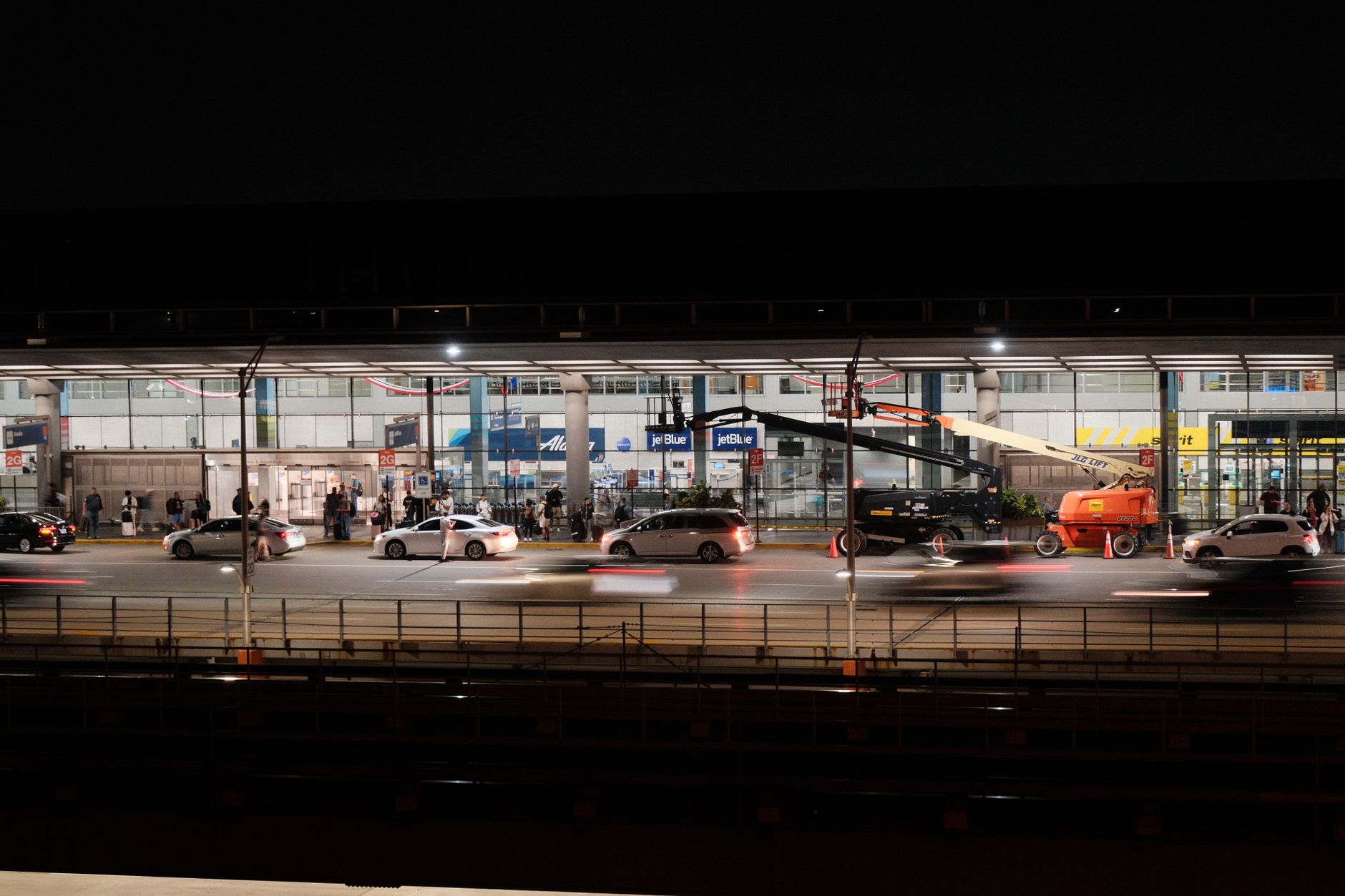
Night arrivals change the equation entirely. Public transport connections that run smoothly at 2pm may not exist at midnight. Train stations connected to airports often have last-service cutoffs that aren’t prominently listed on the airport’s English-language website. If your flight lands after 9pm, the default assumption should be that ground transport is more limited than advertised - and plan accordingly.
The transfer is the part of the trip where things go wrong first. It’s worth treating it like an actual decision rather than an afterthought.