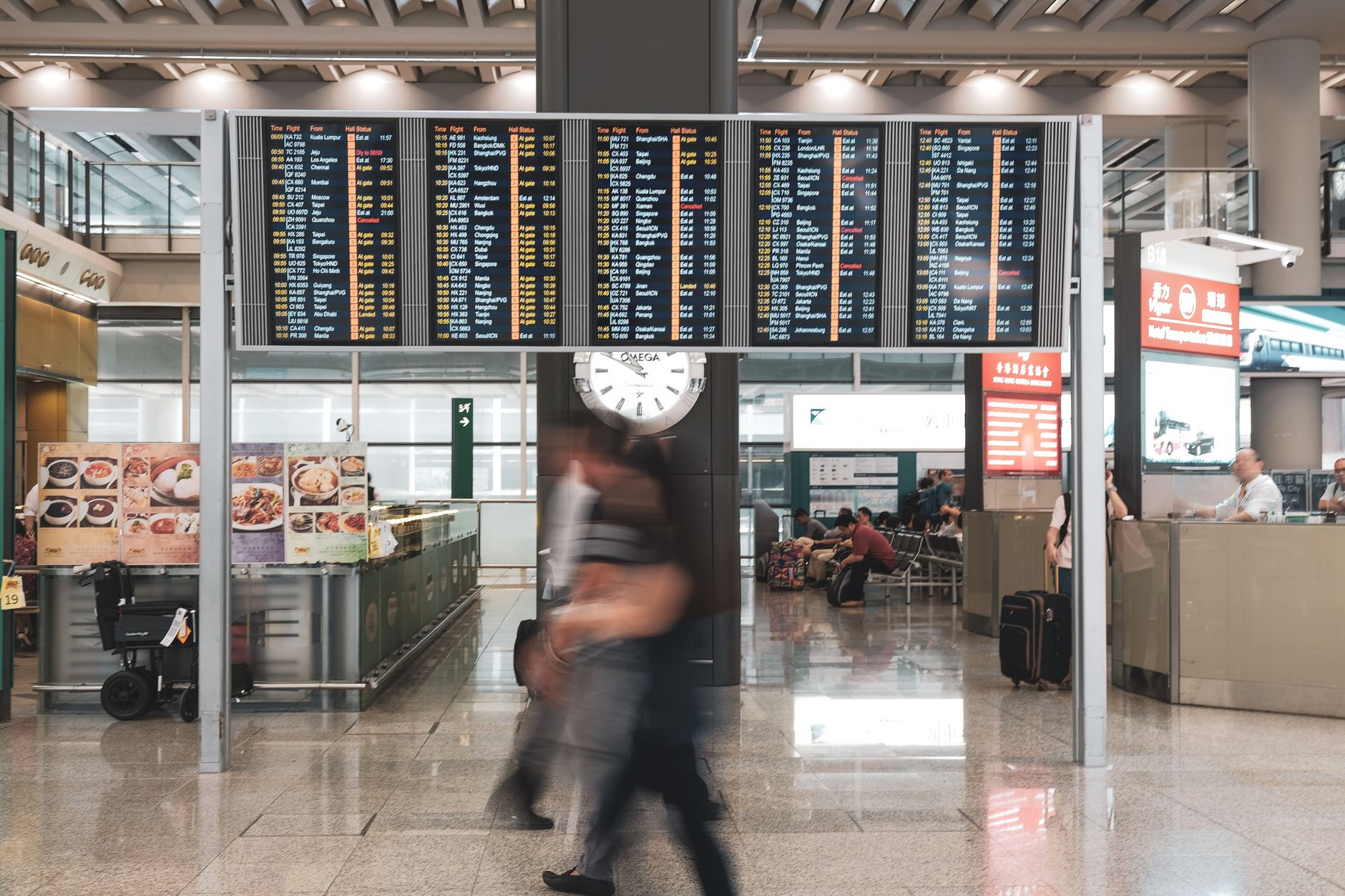
Most people book round trips at the same time because it feels responsible. You get a slightly cheaper fare, a tidy itinerary, and the psychological comfort of knowing exactly when you’re coming home. What you also get is a hard ceiling on a trip that might not need one.
The case for booking one-way first isn’t about spontaneity. It’s about information asymmetry. When you book both legs before departure, you’re making the return decision with zero knowledge of how the trip is actually going - how the place sits with you, whether you found somewhere you want to stay longer, whether the original plan fell apart and rerouted you entirely. You’re essentially setting a checkout time for a hotel room you haven’t seen yet.
The Price Difference Is Usually Smaller Than You Think
The traditional objection is cost. Two one-ways are more expensive than a round trip. This is sometimes true, particularly on transatlantic routes dominated by a single carrier. But on routes with real competition - most of Europe, Southeast Asia, large domestic markets - the gap is often under €30 each way. That’s not nothing, but it’s also not the budget-destroying premium people assume.
Low-cost carriers in Europe have made one-way pricing especially reasonable. A Ryanair or Wizz Air one-way often costs roughly the same as half a return. The maths stopped punishing flexible bookings years ago on these routes.

When It Actually Matters
This approach earns its keep on two kinds of trips: open-ended regional travel, and anywhere you’ve never been before.
If you’re moving through multiple countries - say, entering Portugal and planning to drift east - a fixed return from Lisbon might force a backtrack you didn’t want. Book out of Lisbon, then buy the return from wherever you actually end up: Madrid, Valencia, Barcelona.
For first visits to a place, you genuinely don’t know yet if four days is enough or two days too many. Locking yourself in either direction is a guess dressed up as planning.
The Visa Complication
One real constraint: some countries require proof of onward travel at the border. Thailand is the most frequently cited example - immigration officials can and do ask for it. In these cases, the cleanest workaround is a refundable onward ticket, or a bus or ferry booking rather than a flight. Booking a cheap fully-flexible fare and cancelling after entry is a legitimate strategy many travellers use, though it requires reading the fare conditions carefully.
The flexibility to leave when you’re ready rather than when you were told to - that’s worth a €25 fare difference almost every time.