
Border agents and airline check-in staff are legally entitled to ask you how you’re leaving the country before they let you in. Most travelers know this in theory and ignore it in practice - until they’re held at a gate in Bangkok or turned away at immigration in Costa Rica because they couldn’t show an onward ticket.
A one-way flight is not, by itself, a problem. The problem is showing up without anything that proves you intend to leave.
What They’re Actually Checking For
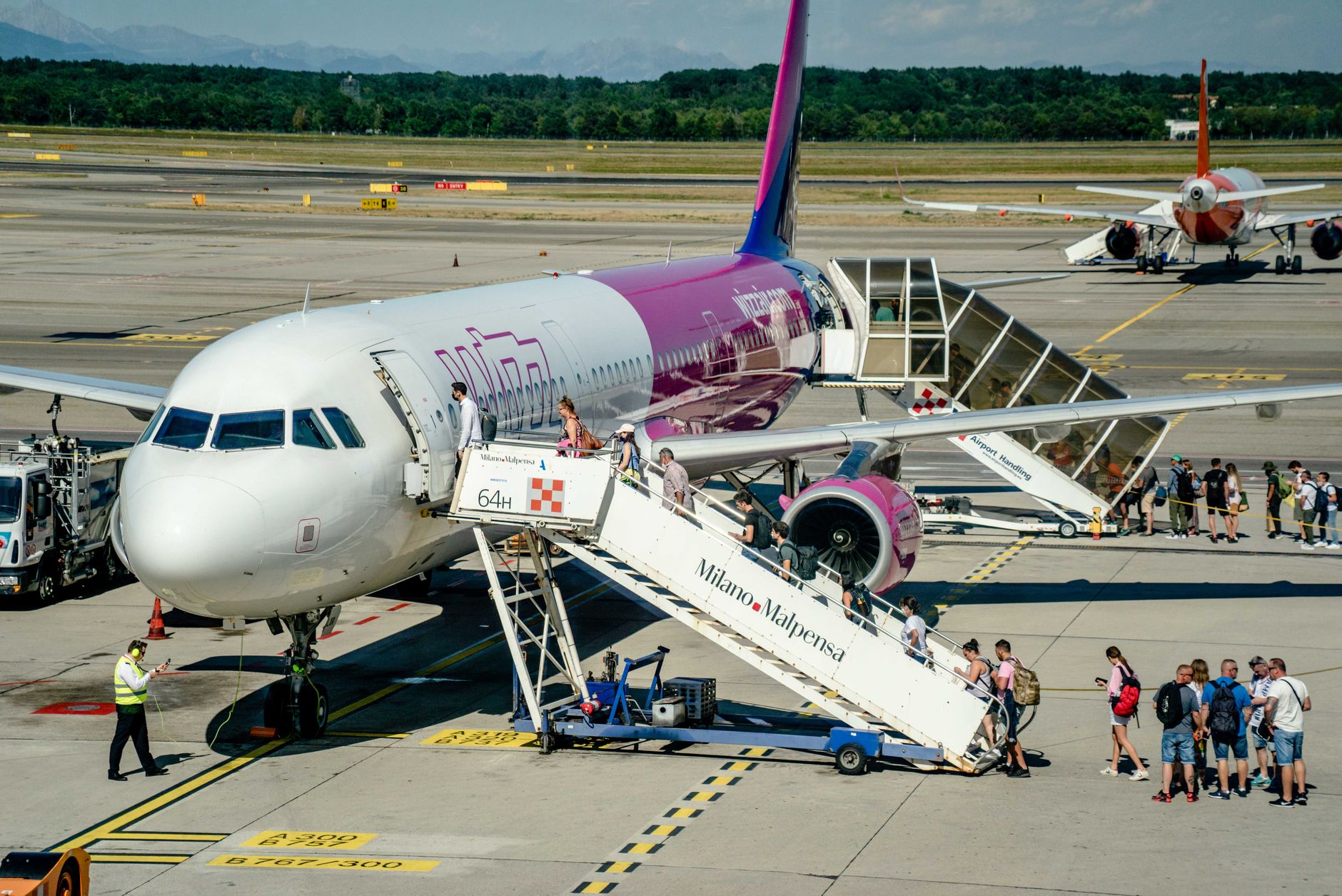
Airlines face fines and deportation costs if they fly passengers who get refused entry. That’s why the check often happens at the departure gate, not just at destination immigration. Staff at check-in in London or Frankfurt can ask you for proof of onward travel before you board a flight to Southeast Asia or Latin America - regions where this comes up regularly.
The requirement isn’t always written into formal visa policy. Many countries that allow visa-free entry still reserve the right to ask. Thailand is a common example where this catches people off guard.
The Cheapest Real Fix
Buy a fully refundable return or onward flight, screenshot the confirmation, then cancel it after you’ve cleared immigration. This works. It costs nothing if you cancel within the free cancellation window, and most major carriers offer at least 24 hours on international bookings.
If you’d rather not deal with your actual airline, services like Onward Ticket or DummyTicket issue real PNR-confirmed reservations that are valid for 24–48 hours. They charge a small fee - typically under €15 - and the booking shows up in the airline’s system. This is a legitimate grey-area tool that many long-term travelers use routinely.
When a Real Ticket Makes More Sense
If you’re visiting somewhere with strict entry requirements - certain Gulf states, the US, or anywhere requiring a visa on arrival with specific conditions - a refundable placeholder probably isn’t enough. Immigration officers there are looking at more than a printout.
For those destinations, book a real refundable fare on a route you might actually use, and treat the cost as a deposit on your plans.
The Part People Always Forget
Save the confirmation somewhere offline. A PDF in your downloads folder, a screenshot in your camera roll, a printed copy if you’re going somewhere with unreliable data. Being asked for proof at a gate when your roaming isn’t working yet is a solvable problem - unless the document only exists in an inbox you can’t open.