
Most people plan a trip from the front end - outbound flight, first hotel, rough itinerary - and treat the return as something to sort out later. This is the habit that quietly inflates travel costs more than any single bad decision.
Airfare pricing on popular routes isn’t symmetrical. The return leg on a Friday or Saturday out of a tourist-heavy city (think Barcelona, Lisbon, Amsterdam) can cost two to three times more than the same airline’s Tuesday or Wednesday flight. If you lock in your outbound flight first, you’ve already committed to a date range, and you’ll end up paying whatever the return costs at that point - often after prices have moved.
Book both ends of the trip in the same session, or within hours of each other.
This does more than save money on the return. It forces you to define the actual shape of your trip before you start layering costs on top of it. Once you know your exact departure date, hotel pricing becomes cleaner, car rental windows are fixed, and you’re not making vague, expensive decisions about “maybe one more night.”
The One-Ways Trap
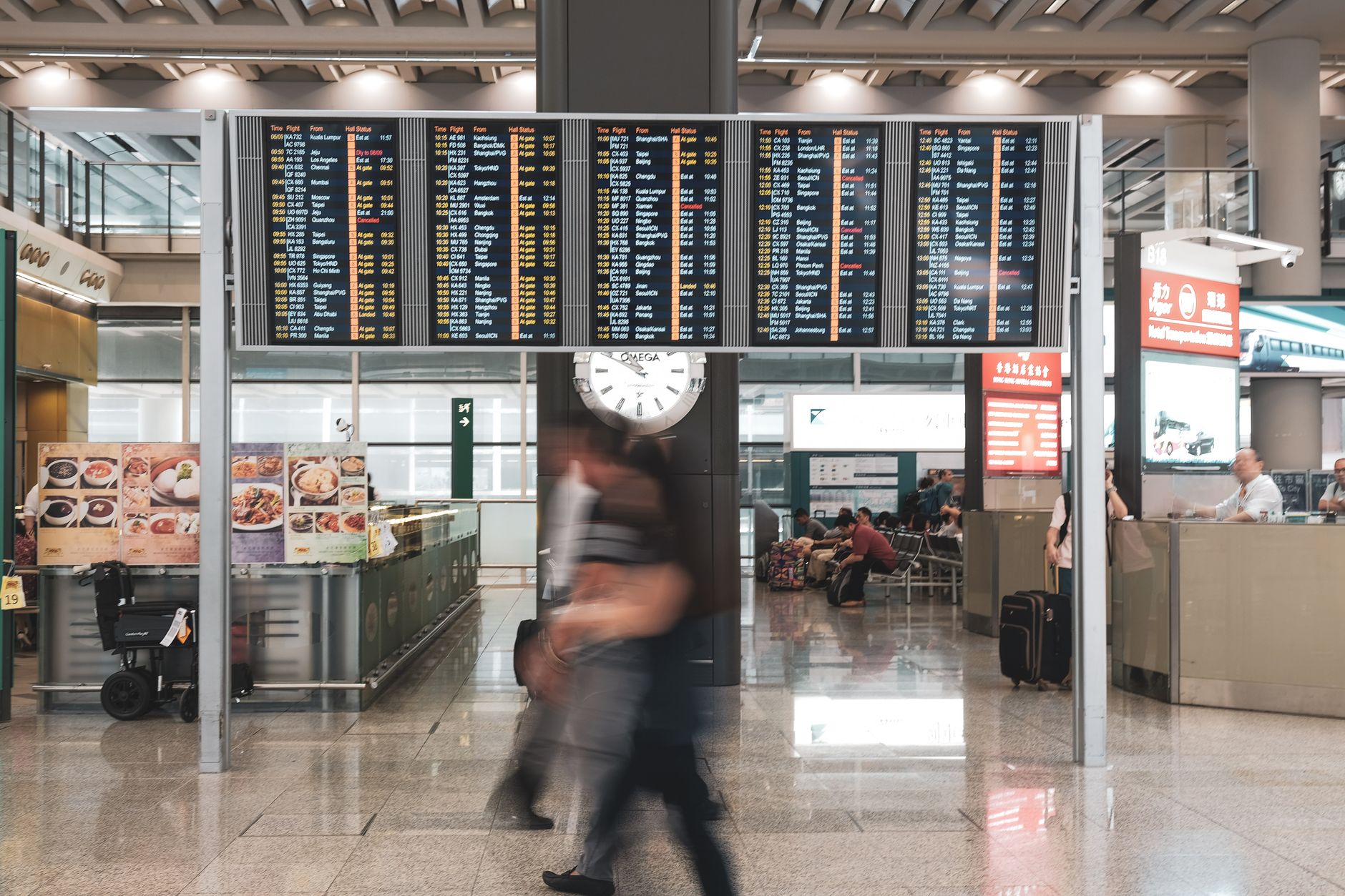
Some travellers deliberately book one-way tickets to keep options open. This works in a narrow set of circumstances - long-term travel, open-ended work situations, genuinely uncertain itineraries. For a two-week holiday, it mostly just means paying a premium for both legs individually rather than getting the marginal discount that comes from booking a round trip. Low-cost carriers in Europe and Southeast Asia are the exception; on those routes, two separate one-ways often do come out cheaper. Check both, but don’t assume flexibility is free.
What to Do If Dates Are Genuinely Flexible
Use Google Flights’ calendar view or the fare grid on Skyscanner before you’ve committed to anything. Look at the full month on both ends. A two-day shift in your return can sometimes cut that leg by 40%. The time to discover this is before you’ve booked the accommodation, not after.
Also: if you’re flying into one city and out of another - which is often the smarter move logistically - price both combinations. Flying into Madrid and out of Seville is not always cheaper than the reverse, even though one direction feels more natural.
The return flight is not an afterthought. It’s the anchor. Build around it.