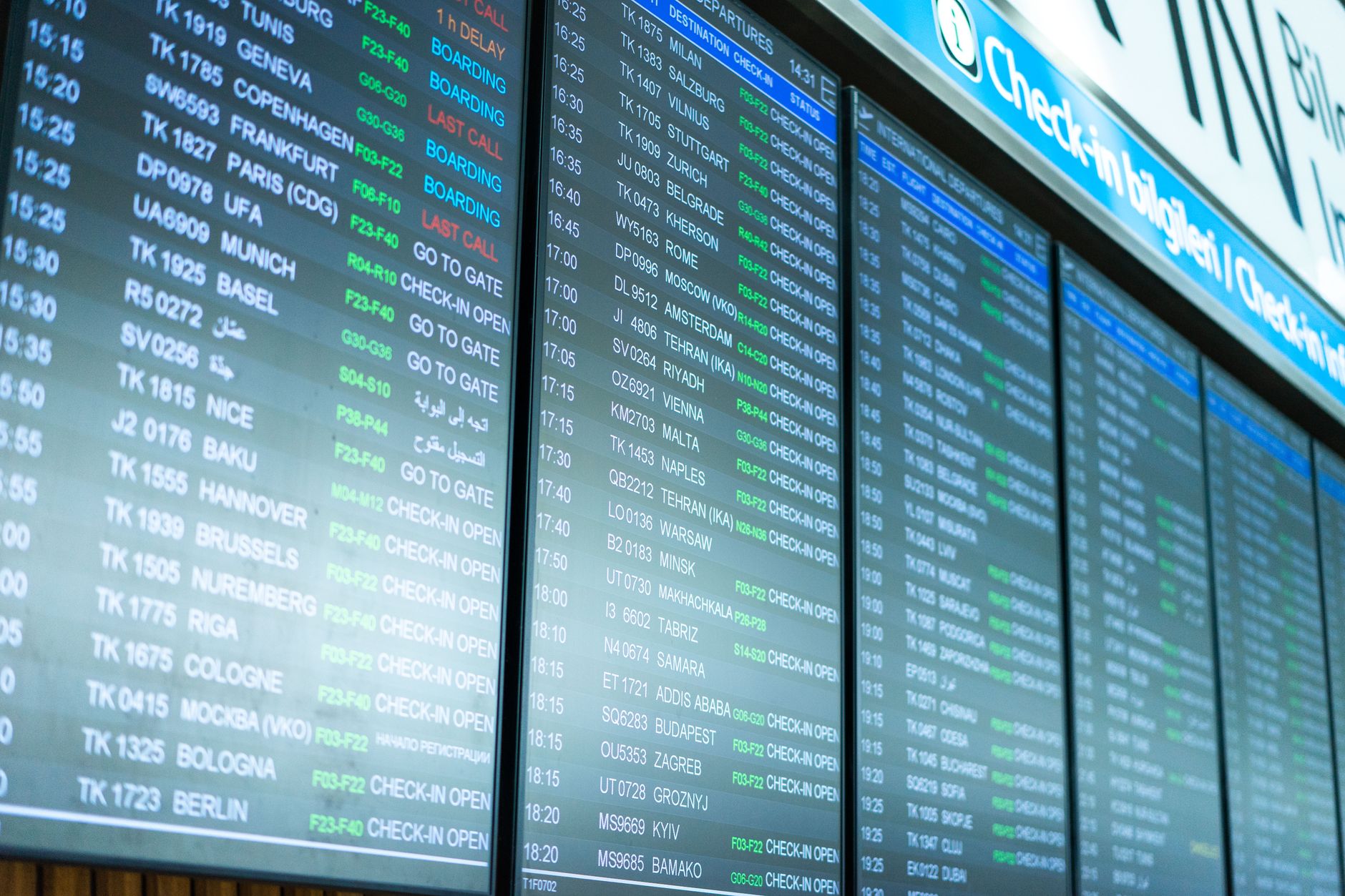
Most people plan a trip outward - find a cheap outbound flight, figure out the destination, build forward from there. It feels logical. It’s actually the slowest way to end up with a coherent itinerary, and it’s how you wind up with a great first week and a chaotic scramble at the end.
The return flight is the constraint that makes everything else make sense. Once you know when you’re leaving and from where, the entire trip has a shape. You know how many nights you actually have. You know whether that side trip to the coast is realistic or just hopeful thinking. You know if you need to be back in a specific city the night before your flight, which immediately rules out certain accommodation choices on the final leg.
Without the return locked in, you’re planning in fog.
The Practical Case
Return flights from secondary cities are almost always more expensive when booked late. If you’re ending your trip somewhere other than where you arrived - say, flying into Lisbon and out of Porto - those point-to-point routes have less competition and prices climb faster as the date approaches. Booking both ends early is especially important when your outbound and inbound airports differ. You want to price those while they’re both available and affordable, not after you’ve already committed to a non-refundable hotel in a city you now can’t afford to leave from.
The same logic applies to trains. European rail prices are dynamic. The cheap seats on a Friday evening out of a major city disappear weeks in advance. If your trip ends on a Friday and you haven’t booked the train home, you’re either paying a lot more than you needed to or you’re rearranging your last two days around availability.
One Counterargument Worth Dismissing
Some travellers avoid booking the return because they want flexibility - the romantic idea of staying longer if they love a place. That’s fine if you’re genuinely open-ended and have the budget for last-minute fares. Most people aren’t and don’t.
For anyone working with a real-world schedule and a real-world budget, flexibility is mostly a way of delaying a decision until it costs more.
What It Actually Changes
Planning backward from a fixed return forces better decisions throughout. You stop overpacking the itinerary because the end date is real, not theoretical. You notice earlier if you’ve built in too little time in a place, or too much. You catch the moment when a planned route doesn’t physically work - when the distances or transport connections don’t add up - before you’ve paid deposits on accommodation that commits you to it.
It also makes the middle of the trip easier to book, because you’re filling in a shape rather than building into open space. That’s not a small thing when you’re trying to hold train times, ferry schedules, and check-out deadlines in your head at once.
The outbound flight gets you excited. The return flight is what makes the trip actually work.