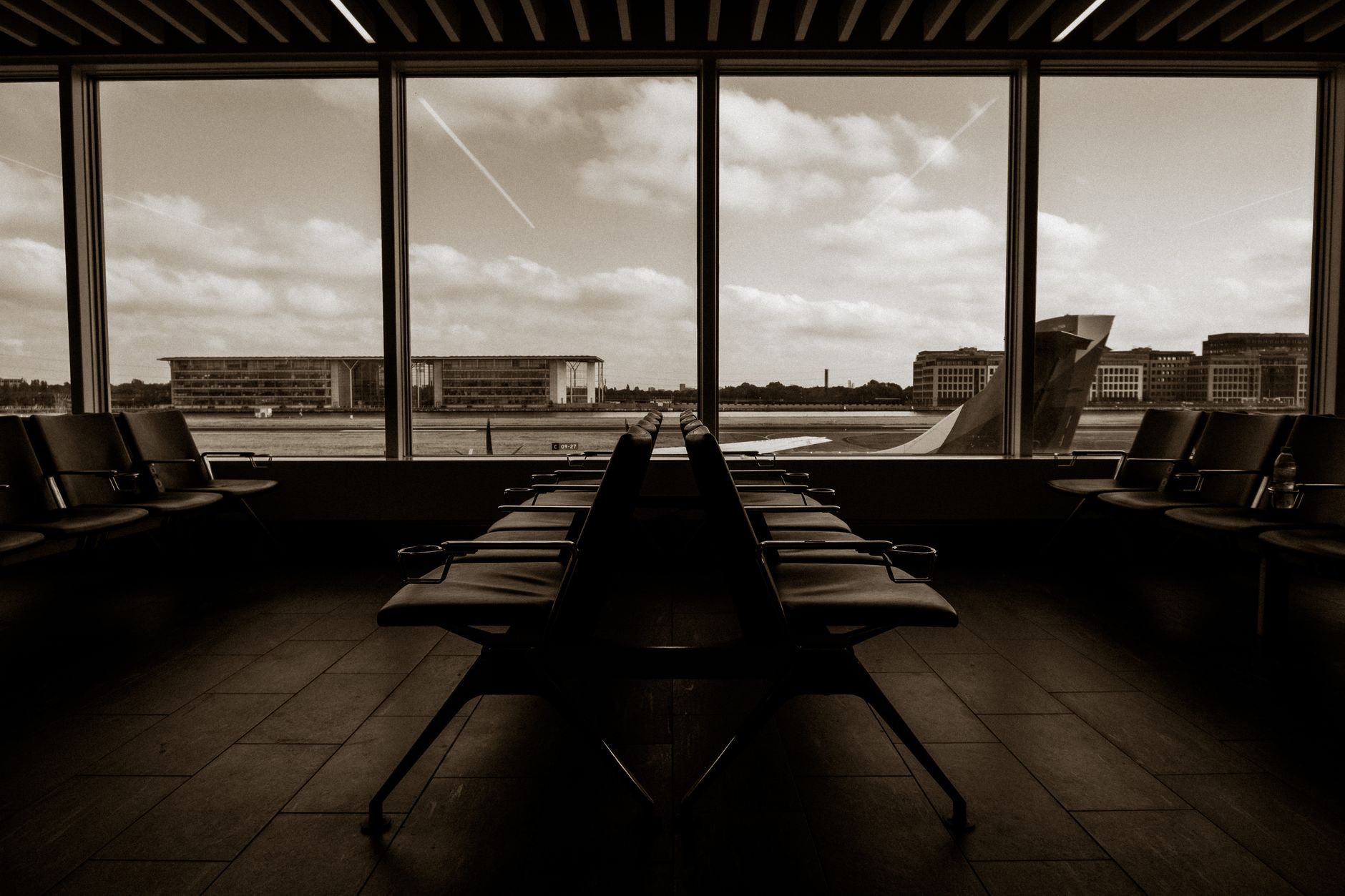
Most people plan trips in the wrong order. They spend weeks researching hotels, building itineraries, checking what restaurants to book - and then, once they feel ready, they go to find flights. By that point, the decent fares are gone, the dates no longer line up, and they end up rebuilding the whole thing around whatever seats are left.
Book the flight first. Everything else is movable.
Flights Set the Frame; Everything Else Fills It
Hotels can be cancelled. Restaurant reservations can be shifted. An itinerary is just a document on your phone. But a flight ticket is an anchor - it sets your arrival city, your dates, and often your budget ceiling in one move. Once you have it, planning becomes a process of filling in gaps rather than trying to make a thousand variables line up simultaneously.
Low-cost carrier seats, especially in Europe and Southeast Asia, are genuinely time-sensitive in a way that a hotel room is not. A room in Lisbon will exist in six months. The €39 fare to Porto on a Thursday in October will not.
The Flexibility Argument Cuts Both Ways
The counterargument is usually flexibility - “I want to see how things shape up before I commit.” That reasoning makes sense for trips years out. For anything within three to five months, waiting doesn’t preserve flexibility; it removes it. You end up flying in at odd hours because those are the only affordable seats left, or routing through a hub that makes no geographic sense, because direct options sold out in March.
Booking early doesn’t lock your trip down. It locks in the one thing that’s actually hard to change cheaply later.
One Genuine Exception
If you’re travelling somewhere with a genuinely complex visa requirement - certain countries in West Africa, parts of Central Asia - confirm that the visa process is viable before you buy anything. That’s not an argument for planning everything first; it’s an argument for spending two hours on research before you spend £400.
On Accommodation Order
Once you have the flight, book the first night immediately. Just the first night. You’ll want a confirmed address for immigration forms, and you’ll want to know you’re not landing exhausted with nowhere to go. Everything after night one can wait until you have a clearer sense of pace.
The rest of the planning - tours, trains, restaurants - benefits from being done closer to the trip anyway. You’ll have better information, and you’ll actually know what you want by then.