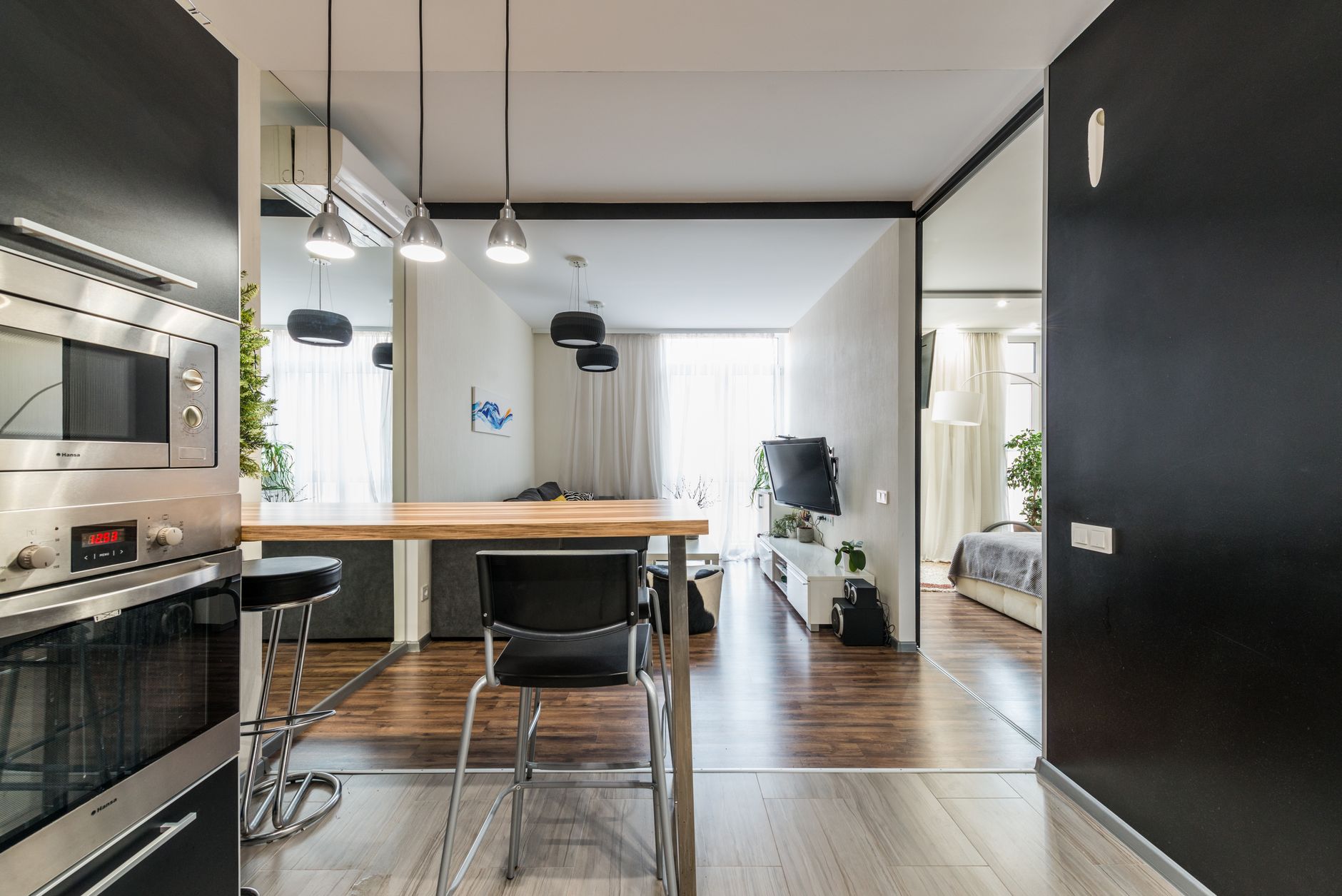
Once you cross the four-night mark in a single city, the hotel room starts working against you. Not because the bed is worse or the location is off - but because you’re paying for a minibar you won’t touch, a breakfast buffet priced at €18, and the privilege of eating every single meal outside, twice a day, indefinitely.
A self-catering apartment changes the arithmetic entirely.
The Breakfast Problem, Solved Cheaply
Breakfast is where hotels extract the most money from the least effort. Coffee and a pastry in a hotel dining room can run €12–20 in Western Europe. The same coffee and pastry from a neighbourhood bakery two streets away costs €3, sometimes less. Buy fruit, eggs, and bread from a local supermarket on your first evening and you’ve already offset a significant chunk of your accommodation upgrade.
This isn’t about deprivation. It’s about not paying hotel prices for toast.
What the Apartment Actually Costs
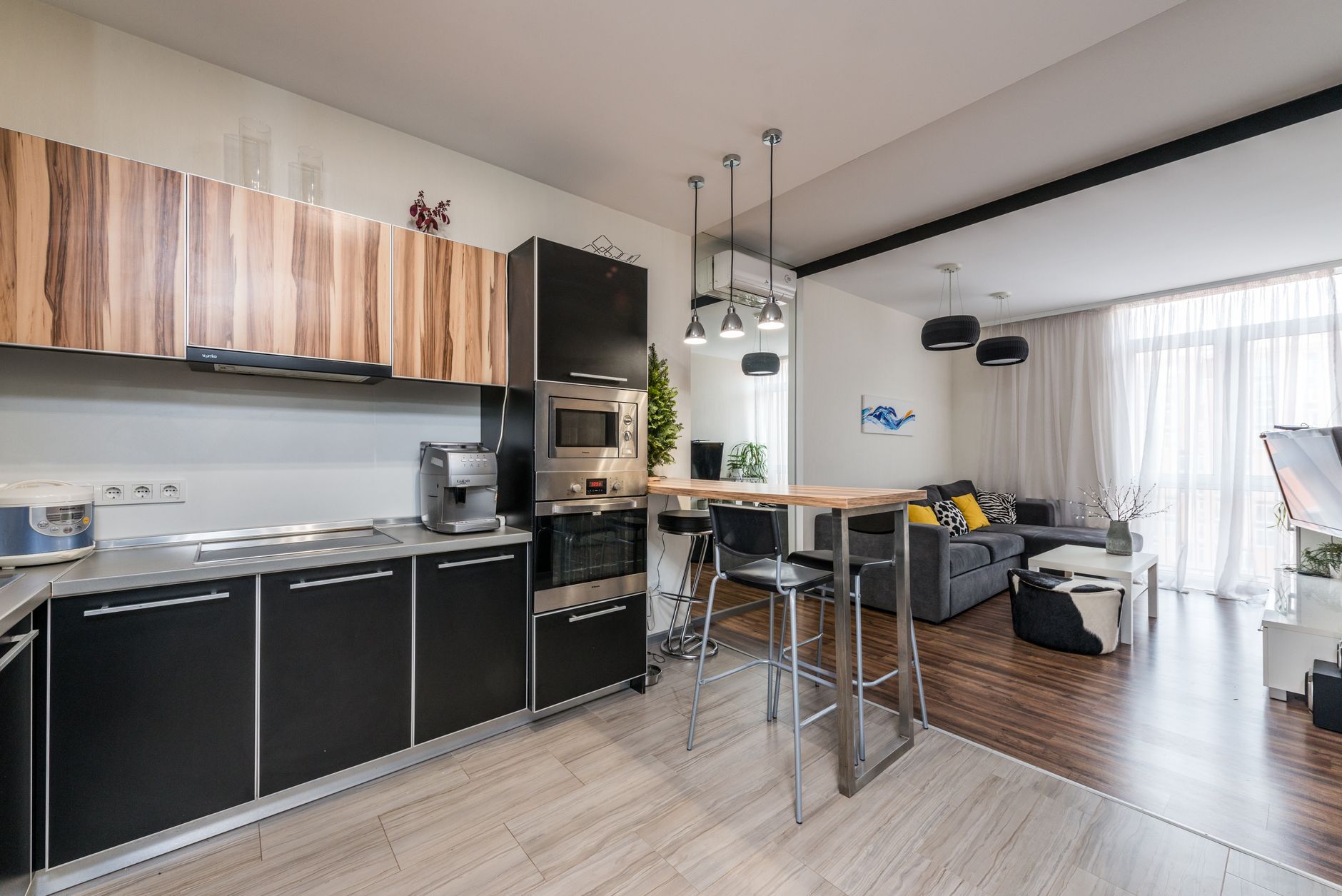
On platforms like Airbnb or Booking.com, a decent one-bedroom apartment in a mid-tier European city - Porto, Seville, Thessaloniki, Ljubljana - often runs €60–90 per night. That sounds comparable to a budget hotel until you account for what comes with it: a kitchen, a washing machine, space to actually put your bags down, and the ability to cook dinner twice during your stay.
Two home-cooked dinners in Southern Europe, made with market ingredients, might cost €15 total. Two mid-range restaurant dinners for the same person: €50–70, conservatively.
The apartment pays for itself before the week is out.
The Longer You Stay, the Better It Gets
Most apartment listings offer weekly discounts - typically 10–20% off the nightly rate. Hotels rarely do this for stays under a week. So the traveller who plans to spend seven nights in one place and books an apartment is being rewarded twice: lower nightly rate, lower food costs.
One Caveat Worth Naming
Cleaning fees can be brutal on short stays. A €30 cleaning fee on a two-night booking is effectively €15 extra per night. On a seven-night booking, it’s €4.30. Always check the fee before booking, and factor it into the per-night total rather than treating it as a flat afterthought.
The apartment model doesn’t work for one-night transits or fast-moving itineraries. But if you’re actually staying somewhere - learning a neighbourhood, eating at the same café twice, getting your bearings - the hotel room is the more expensive choice.